Dealing with this right now? See our storm damage cleanup service, and we respond fast across East Roseville. Or call +1 (201) 277-9344 any time — we answer 24/7.
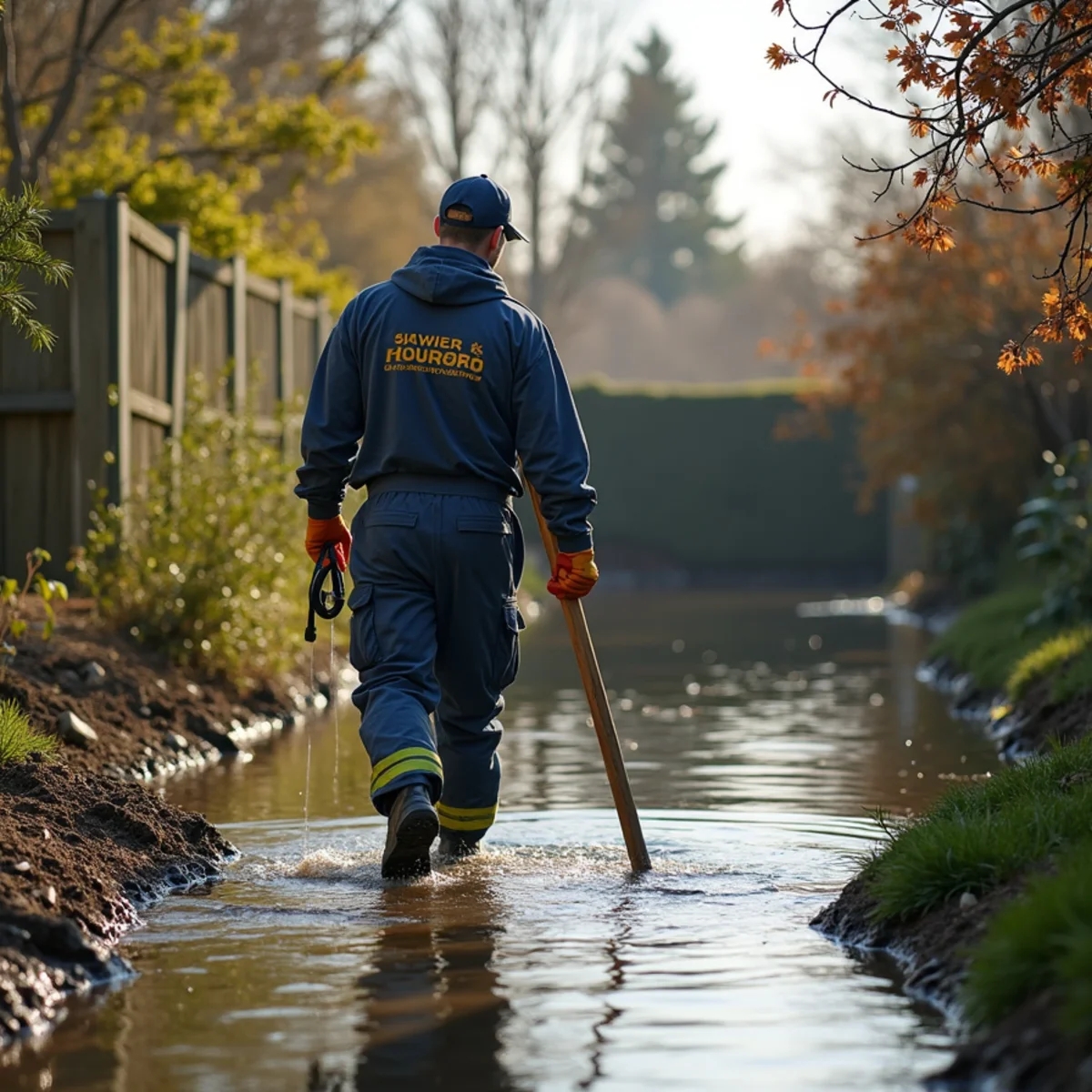
Miners Ravine cuts through East Roseville on its way toward Dry Creek, and for homeowners who live near its banks, that proximity is part of daily life — a nice green corridor most of the year, and a serious concern during an atmospheric river. If your property sits in one of the FEMA flood zones that follow the ravine, you've probably already dealt with the paperwork. What's less well understood is what actually changed when the Miners Ravine Off-Channel Detention Basin came online in 2007, and what it didn't change.
This article covers the flood zone designations along Miners Ravine, what the detention basin does, the history that led to it being built, and what East Roseville homeowners should actually do when a big storm is forecast.
What FEMA zones AE and AO actually mean
Stretches of East Roseville along Miners Ravine fall into FEMA Zone AE, which designates an area with a 1% annual chance of flooding where FEMA has calculated a specific base flood elevation, and Zone AO, which designates shallow flooding — typically sheet flow across a property rather than a defined channel overflow, usually one to three feet deep. Both zones carry a mandatory flood insurance requirement if you have a federally backed mortgage, and both reflect a real, calculated risk rather than a bureaucratic formality.
The practical difference for a homeowner is how the water arrives. An AE-zone flood tends to follow the ravine's overflow path and can rise with some predictability tied to the channel. An AO-zone flood spreads more like a shallow sheet across yards and low points, which means it can affect a property that doesn't feel like it's near the creek at all, if the lot sits at a low elevation relative to its surroundings.
The 1986 flood that changed how Roseville manages this creek
The February 1986 cloudburst is still the reference point for flood planning in Placer County. That storm caused roughly $7.5 million in county damages and flooded around 100 homes across Roseville, with one fatality — and Miners Ravine specifically overtopped its banks and flooded about 10 homes along its corridor. It was one of several storms that pushed the county toward the more aggressive floodplain management it practices today.
The January 1995 storm added more urgency, hitting the region with what's since been characterized as roughly a 200-year flood event. Between those two storms, the case for structural flood control along creeks like Miners Ravine was hard to argue with, and it set the stage for the detention basin project that followed.
What the 2007 detention basin actually does
The Miners Ravine Off-Channel Detention Basin, completed in 2007, works by diverting a portion of high storm flows out of the main channel and into a dedicated storage area, temporarily holding that water and releasing it back into the ravine at a slower, more controlled rate once the peak of the storm has passed. That reduces the odds and severity of the channel overtopping its banks downstream during a typical significant storm.
What it doesn't do is eliminate flood risk entirely. The basin is engineered around specific storm-frequency assumptions, and a storm that exceeds those design assumptions — or a series of storms in quick succession that don't give the basin time to fully drain between events — can still push water beyond the channel. That's part of why FEMA still maps AE and AO zones along this corridor even after the basin's construction, and why flood insurance requirements haven't gone away for properties in those zones.
- Diverts peak storm flow into off-channel storage, releasing it back slowly
- Reduces frequency and severity of typical overtopping events
- Engineered around specific storm-frequency assumptions, not a guarantee
- FEMA AE/AO zones and flood insurance requirements remain in effect along the corridor
Roseville's CRS Class 1 rating and what it means for you
Roseville holds a Community Rating System Class 1 rating from FEMA — the highest rating in the nation — which reflects the city's floodplain management practices, including detention infrastructure like the Miners Ravine basin, stream maintenance, and public outreach. One practical benefit: CRS Class 1 status earns eligible property owners the maximum available discount on National Flood Insurance Program premiums, which is worth confirming with your insurance agent if you're in a mapped zone near the ravine.
It's a genuinely strong rating, and it says the infrastructure and management around Miners Ravine is well above average. It's not, however, a substitute for flood insurance or storm preparedness for anyone living along that corridor.
What we see when Miners Ravine floods a home
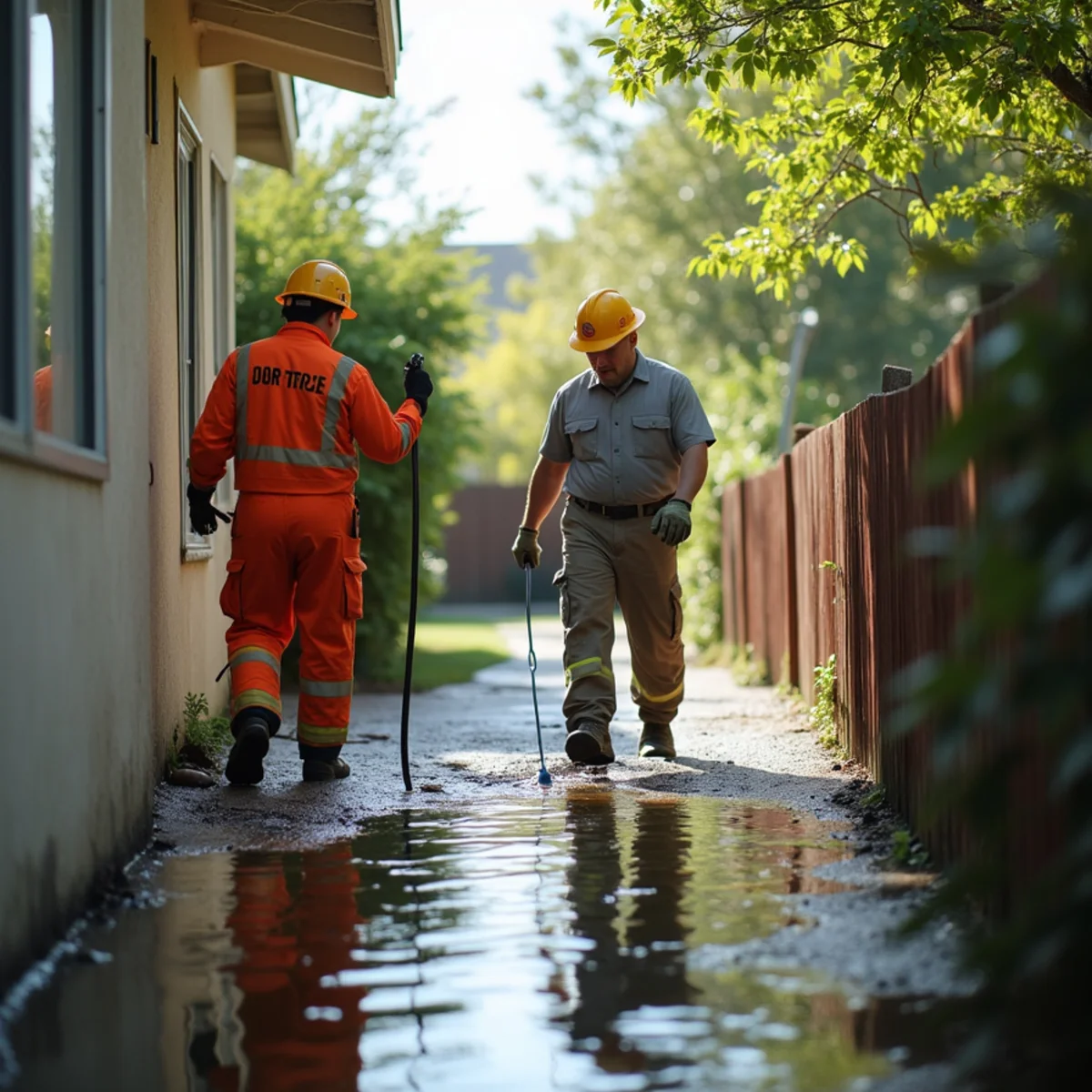
Storm flooding near the ravine is almost always Category 2 or Category 3 water by the time it reaches a home — it's picked up soil, debris, and often some amount of contamination on its way across yards and through storm drains, which changes how we approach cleanup compared to a clean supply-line break. We extract standing water, remove saturated flooring and baseboard that can't be salvaged, disinfect affected surfaces, and run structural drying with air movers and dehumidifiers, typically three to five days depending on how much material took on water.
One East Roseville homeowner near the ravine corridor called during a heavy December storm when water backed up across their patio and under the sliding door into the family room. We arrived, extracted the standing water, pulled the wet baseboard and a section of laminate flooring, and got air movers running the same night — catching the moisture before it reached the drywall higher up the wall.
What to do before the next atmospheric river
Know your flood zone status before storm season, not during it. Keep gutters and yard drains clear heading into November, since local drainage failures often make ravine-adjacent flooding worse than the creek level alone would predict. Have a plan for moving valuables and vehicles if your street has flooded before, and keep our number on hand — sewage or ground-floodwater intrusion is not a wait-and-see situation.
Flooding from Miners Ravine or storm runoff?
This is often Category 2 or 3 water requiring extraction, disinfection, and structural drying, not just a mop and fans. We respond 24/7 across East Roseville and coordinate directly with your insurance adjuster.
What our crews watch for on a Miners Ravine flood call
The mistake we see most often near the ravine corridor is homeowners judging the damage by how fast the water receded rather than by how long it was actually in contact with the house. A yard that drains within a few hours can still mean baseboard, carpet pad, and the bottom few inches of drywall sat wet long enough to need real drying, even though the surface looks dry again by the next morning. Storm water that's crossed a yard or backed up from a storm drain almost always carries some contamination, so "it dried on its own" isn't the same as "it's clean and safe."
There's a legitimate judgment call here too, and we won't pretend otherwise: a light sheet of clean rainwater that never reached drywall or baseboard, sat for less than an hour, and is gone by the time we'd arrive doesn't need a full extraction crew — a mop and fans is a reasonable response. The line we use is simple: if water touched a wall material or sat for more than a few hours, get a moisture-meter check before deciding it's fine, because appearances are a poor substitute for a reading.
Living downstream of a detention basin during a multi-storm week
The Miners Ravine basin is engineered around a given storm's peak flow, but Roseville's wet season rarely delivers just one storm and then a break. Atmospheric river systems frequently stack two or three significant storms into the same week, and if the basin hasn't had time to fully drain between the first and second system, it has less spare capacity left to buffer the next one. That's a different risk than a single big storm, and it's the scenario East Roseville homeowners near the corridor should actually watch for, since the ground and channel are already saturated before storm two even arrives. Placer County Flood Control manages the ravine alongside Dry Creek, Cirby Creek, and Linda Creek as one interconnected system, so a strained basin can echo into how those other channels drain as well during the same week.
None of this means panic at every storm in a series — it means paying more attention as a wet week goes on rather than less, since the risk generally builds with each additional system rather than resetting.
- Rising water visible along the ravine bank compared to the day before, not just the current storm's rainfall total
- Storm drains on your street draining slower than usual, an early sign of backwater from a high creek
- Soil around the foundation staying saturated between storms instead of drying out in the gaps
- Any Placer County Flood Control advisory about basin capacity during a multi-storm stretch
Frequently asked questions
Likely yes. If your property falls in FEMA Zone AE or AO, flood insurance is typically required with a federally backed mortgage regardless of the detention basin, since FEMA's mapping already accounts for the basin's flood-reduction effect and still shows calculated risk in those zones.
Zone AE reflects flooding tied to the ravine's channel with a calculated base flood elevation. Zone AO reflects shallow sheet flooding that can spread across a low-lying yard even if the property isn't directly adjacent to the creek. Both carry flood insurance requirements.
Treat it as contaminated. Water that's crossed yards, streets, and storm drains typically qualifies as Category 2 or 3 under IICRC guidelines, meaning it can carry bacteria, chemicals, or sewage. We disinfect affected areas as part of cleanup, not just dry them.
It reflects strong floodplain management citywide, including the detention basin and creek maintenance, and it can qualify eligible flood-zone property owners for the maximum discount on National Flood Insurance Program premiums. Ask your insurance agent to confirm how it applies to your policy.