
Water Damage Restoration
Mold Remediation in Roseville, CA
Mold is what water damage turns into when moisture is left behind. It can start growing on damp materials within 24 to 48 hours, and once it takes hold it spreads through wall cavities and under flooring where you cannot see it. If you are smelling must or seeing spots after a leak, it is time for an inspection.
- 60-minute emergency dispatch across Roseville
- Licensed, insured & IICRC-certified
- Local to Roseville & Placer County
We remediate mold the right way: contain it so it cannot spread, remove it safely, fix the moisture source that fed it, and verify the work. Skipping any of those steps just guarantees it comes back.
Signs you may have a mold problem
- A musty, earthy smell that will not go away
- Visible spotting on walls, ceilings, or baseboards
- Discoloration or staining after a past leak or flood
- Worsening allergy or respiratory symptoms indoors
- Warped, bubbling, or peeling paint and drywall
Why containment comes first
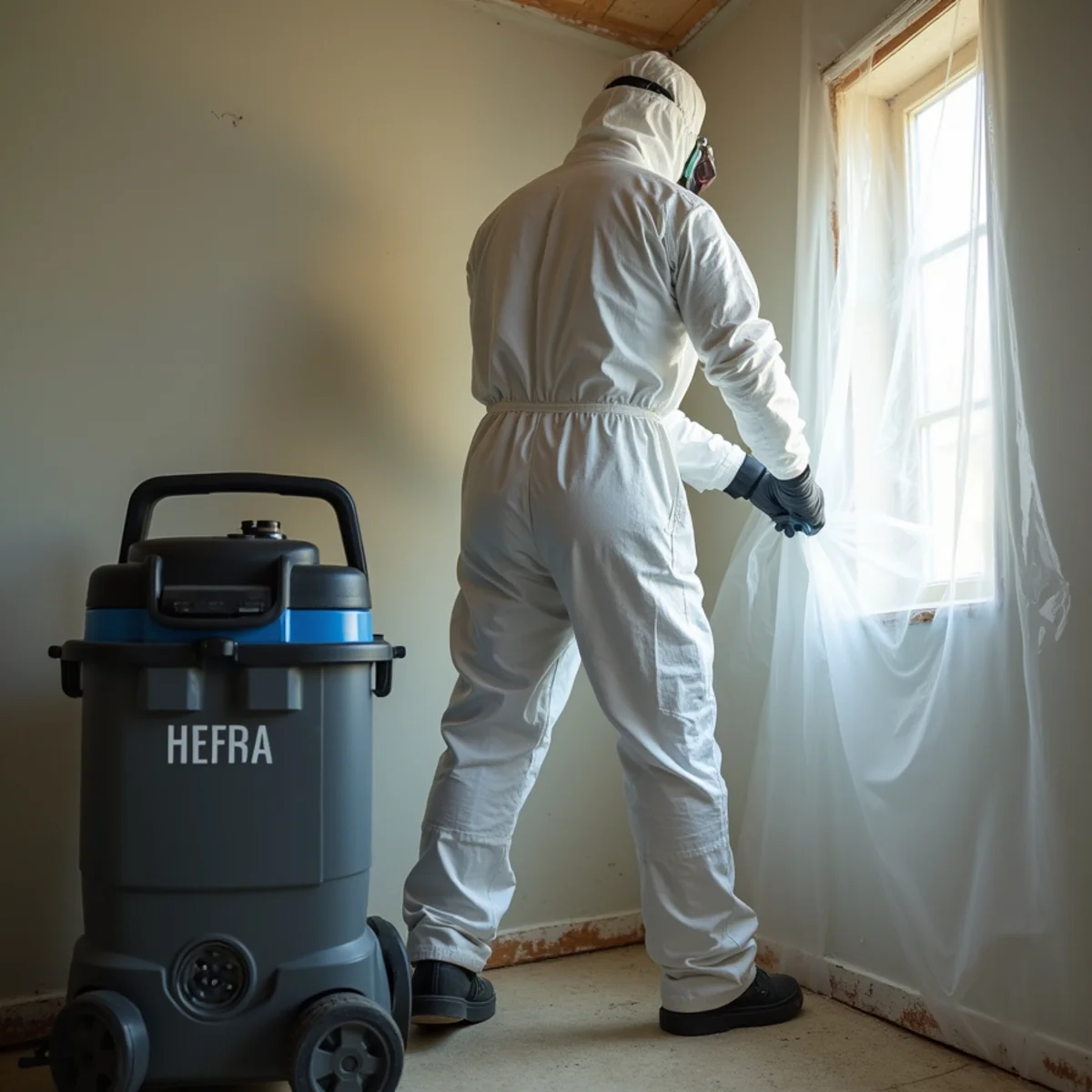
The biggest mistake in mold work is disturbing it without containment. Cutting into moldy drywall without sealing the area sends millions of spores through the house, turning a one-room problem into a whole-home one. We set up containment with plastic barriers and negative air pressure before we touch anything, so spores stay in the work zone and get captured by HEPA filtration.
Remediation done to standard
- Inspection and moisture mapping to find the full extent, including hidden growth
- Containment with barriers and negative air pressure
- HEPA air scrubbing throughout the work
- Removal of mold-damaged porous materials that cannot be cleaned
- HEPA vacuuming and antimicrobial treatment of salvageable surfaces
- Fixing the moisture source so the mold cannot return
The part most companies skip
Mold is a moisture problem wearing a costume. If you remove the mold but leave the leak, the slow drip, or the humidity that fed it, it will be back within weeks. That is why we tie remediation to the underlying cause — a plumbing leak, a slab leak, poor drainage, or drying that was never finished — and why we handle the whole loss rather than just the visible spots.
What's included in a mold remediation job
We start every job with inspection, not demolition. Moisture meters and thermal imaging map where the water that fed the mold actually traveled, because visible spotting on a wall is often just the edge of a larger problem inside the cavity. That map tells us exactly where containment needs to go before anything gets disturbed. We also check adjacent rooms and shared wall cavities, since airborne spores and hidden moisture do not stop at the edge of the room where the staining is visible.
Once containment and negative air pressure are set up, removal is targeted — we take out mold-damaged porous material and leave the rest. Salvageable surfaces get HEPA vacuumed and treated with antimicrobial solution. Then, and only then, do we address whatever let the moisture in to begin with, because remediation without a source fix is just a delay before round two. We photograph the area before and after removal, so you and your insurer have a clear record of what was affected and what was done about it.
- Moisture mapping with meters and thermal imaging before any containment goes up
- Physical containment with plastic barriers and negative air pressure to stop spore spread
- Targeted removal of only the material that cannot be cleaned and saved
- HEPA vacuuming and antimicrobial treatment of everything that can be kept
- Post-remediation verification that the source moisture problem has been corrected
- A written scope of the containment, removal, and treatment performed, useful for insurance and for any future home sale disclosures
Why Roseville homeowners trust us with mold remediation
Mold work is easy to do badly and hard to verify after the fact if you hire the wrong crew. Here is what you get with us:
- IICRC S500-aligned containment and removal protocols on every job
- Licensed and insured technicians who document containment, removal, and verification
- 24/7 response with a 60-minute target when mold follows a recent leak or flood
- Direct insurance billing when the mold traces to a covered water loss
- One crew that fixes the moisture source and remediates the mold, instead of remediating and leaving the cause in place
Serving Roseville and the surrounding communities
We remediate mold in homes across Roseville — from older housing stock near Downtown and Royer Park to the newer tract neighborhoods in West Roseville and around the Galleria — where hot, dry summers followed by a concentrated November-to-March rainy season create the swing conditions that let hidden moisture problems turn into mold.
We also serve Rocklin, Citrus Heights, Granite Bay, and Orangevale, with the same 24/7, 60-minute-target response for jobs tied to an active leak or flood. The moisture-mapping and containment process is the same in every one of these communities — only the housing age and construction details change. The communities we cover most are listed below.
How much does mold remediation cost in Roseville, and how long does it take?
Mold remediation can land anywhere in the typical $1,400 to $6,400 water-damage range, and sometimes below it for a small, isolated job — the number depends on how much of the growth is hidden in wall cavities versus visible on a surface, how much containment and how many air scrubbers the space needs, and how much material has to be removed and rebuilt rather than cleaned.
A contained, single-room job with limited material removal often wraps up in 1 to 3 days. Larger jobs — growth spread through multiple rooms or into shared wall cavities — take longer because containment has to go up in stages and removal is more extensive. If mold traces to a covered water loss, we bill your insurer directly; if it traces to a slow leak or deferred maintenance, that portion is often out-of-pocket, and we tell you which applies before work starts.
- Hidden growth inside wall cavities costs more to remediate than a surface spot, because it means opening and containing more area
- More air scrubbers and larger containment zones add equipment cost and time
- More material removal and rebuild (drywall, insulation, trim) raises the total
- Fixing the underlying moisture source — a quick fitting repair versus a slab leak — changes how fast the whole job closes out
Our mold remediation process
- 1
Inspect & map
We locate the growth and the moisture feeding it with meters and thermal imaging.
- 2
Contain
We seal the area and set up negative air pressure so spores cannot spread.
- 3
Remove & clean
We remove affected materials, HEPA vacuum, and treat salvageable surfaces.
- 4
Fix the source & verify
We correct the moisture source and confirm the area is clean and dry.
What affects mold remediation cost
- The size of the affected area and whether growth is hidden in wall cavities
- How much containment and how many air scrubbers the job requires
- The volume of material that must be removed and rebuilt
- The underlying moisture source and what it takes to correct it
Water damage spreads by the hour. Let's stop it.
60-minute emergency dispatch across Roseville, 24/7. We extract, dry, and rebuild — and bill your insurer directly.
- 60-min Roseville dispatch
- Licensed & insured
- Direct insurance billing
FAQ
Mold Remediation — your questions
Costs vary with how much growth is hidden versus visible and how much material has to come out, generally falling within the typical $1,400 to $6,400 water-damage range, sometimes lower for a small, contained job. A single-room job often finishes in 1 to 3 days; larger jobs with growth in multiple areas take longer because containment and removal happen in stages.
It can start within 24 to 48 hours on damp materials. That is exactly why fast, thorough drying after a water loss matters — dry the structure to target and you deny mold the moisture it needs.
Any mold in the home should be addressed, and it is not worth trying to identify the species yourself by looking. We inspect, contain, and remediate safely regardless of type, and we fix the moisture source so it does not return.
Bleach on a surface does not solve mold growing inside porous materials or wall cavities, and disturbing it without containment spreads spores. For anything beyond a small surface spot, professional containment and removal is the safe route.
Not always. If mold is visible and tied to a known water source, testing often just adds time and cost without changing the remediation plan. We will tell you if your situation is one where testing genuinely helps — for example, to confirm clearance after the work is done.
Only if the moisture source gets fixed too. We tie every remediation job to correcting whatever let water in — a leak, poor drainage, or drying that was never finished — because removing mold without fixing the cause just delays the regrowth.
Most residential remediation is done with the household still living in the home, using containment to seal off the work area. For larger jobs, or when air quality in the rest of the home is a concern, we will tell you upfront if temporary relocation makes sense.