Dealing with this right now? See our 24/7 emergency water removal service, and we respond fast across Granite Bay. Or call +1 (201) 277-9344 any time — we answer 24/7.
Claims move on paper, not memory. Two homeowners can have the exact same water damage, and the one with clear photos, moisture logs, and receipts gets approved faster than the one who cleaned up first and called their insurer after.
This checklist covers what to capture from the moment you find water, in what order, and why each piece matters to an adjuster reviewing your file in Granite Bay or anywhere else in Placer County.
Before you touch anything, photograph the scene
Take wide shots of every affected room from the doorway, then close-ups of standing water, water lines on walls, and anything visibly damaged, flooring, baseboard, drywall, furniture. Include a shot of the source if you can see it: the burst hose, the failed water heater, the toilet supply line.
Timestamp matters here more than photo quality. Your phone already timestamps photos automatically, which is exactly why a phone camera is enough, you do not need anything fancier than what is already in your pocket.
Also photograph the ceiling and any adjoining rooms, even ones that look dry. Water travels along wall cavities and under flooring in directions that are not obvious from where you are standing, and a wider set of photos protects you if damage shows up in a connected room a few days later.
Shut off the water, but document first if it is safe to
Safety comes first: if water is anywhere near an outlet or panel, do not enter the room, and call us before you go near it. If it is safe, shut off the source, the fixture's angle stop or the home's main valve, then take your photos before extraction begins.
We understand the instinct to start mopping immediately. A few extra minutes of photos before cleanup starts changes very little about the damage and changes a lot about how smoothly your claim moves.
If the source is not obvious, like water coming from a ceiling with no clear origin upstairs, do not guess. Turning off the home's main valve is always a safe default move that stops the water at its source while you wait for us.
Log what happened, while it is fresh
Write down the approximate time you discovered the water, what you believe caused it, and what you did next, shut off the valve, called us, moved furniture. Adjusters ask for this timeline, and a homeowner's notes written the same day are more reliable than a memory reconstructed weeks later during a phone call.
Note anything that suggests the loss was sudden rather than gradual, since that distinction often determines whether the claim is covered at all, for example, a specific moment the leak started versus discovering slow staining that had clearly been there a while.
If you can identify a specific triggering event, a fitting that let go, a hose that split, a supply line that separated, say so in your notes and mention it to us when we arrive. A concrete cause strengthens the case that the loss was sudden rather than something that had been building for a while.
Keep every receipt, even the small ones
Save receipts for anything you buy in response to the loss: a wet-dry vacuum rental, towels, a fan, a hotel stay if the home is not livable, even a plumber's invoice if you called one before calling us. Many policies reimburse reasonable emergency expenses that limit further damage, but only with documentation.
Keep a simple running list, item, cost, date, even before you know whether it will be reimbursed. It is much easier to hand an adjuster a list you kept than to reconstruct one from bank statements after the fact.
What our documentation adds to your file
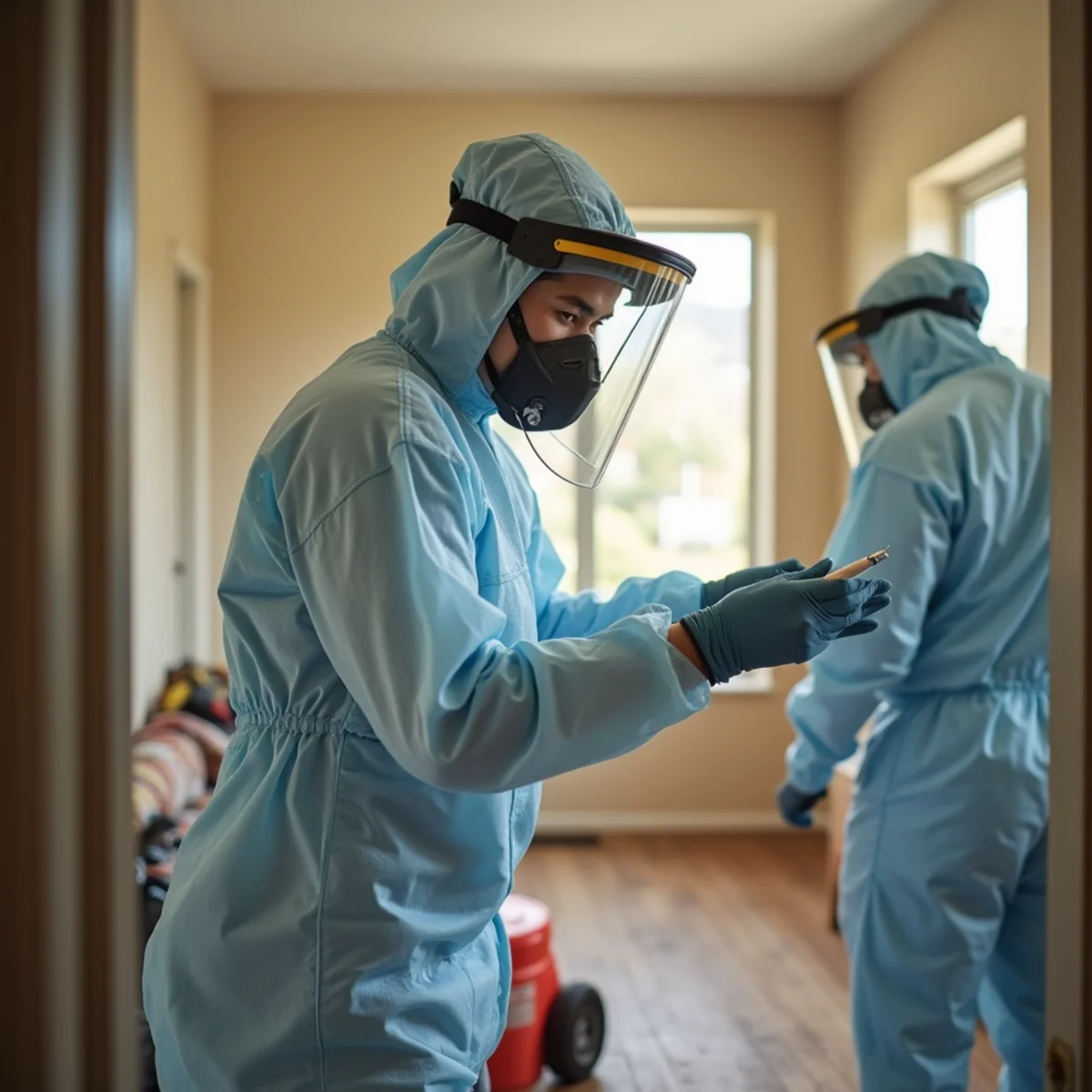
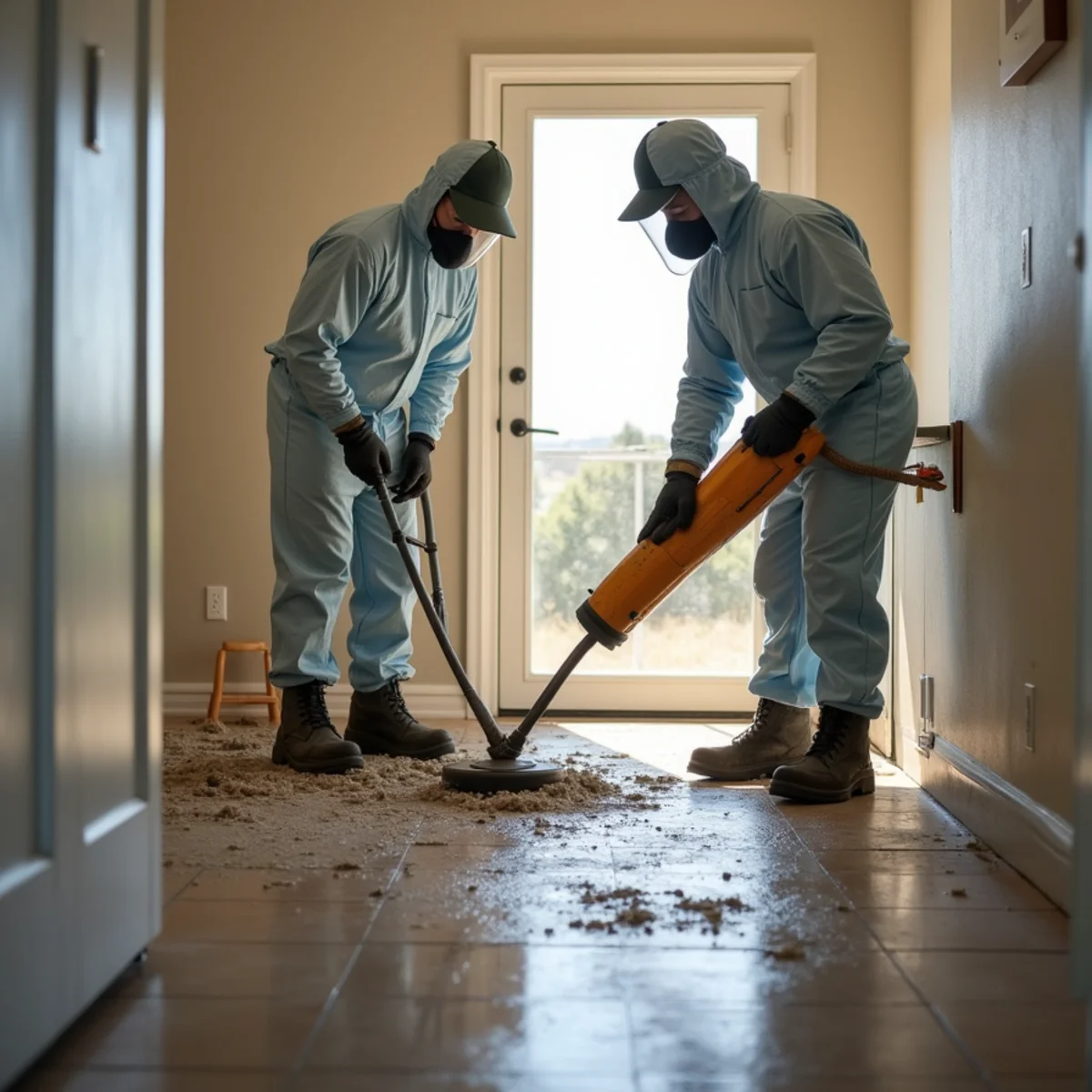
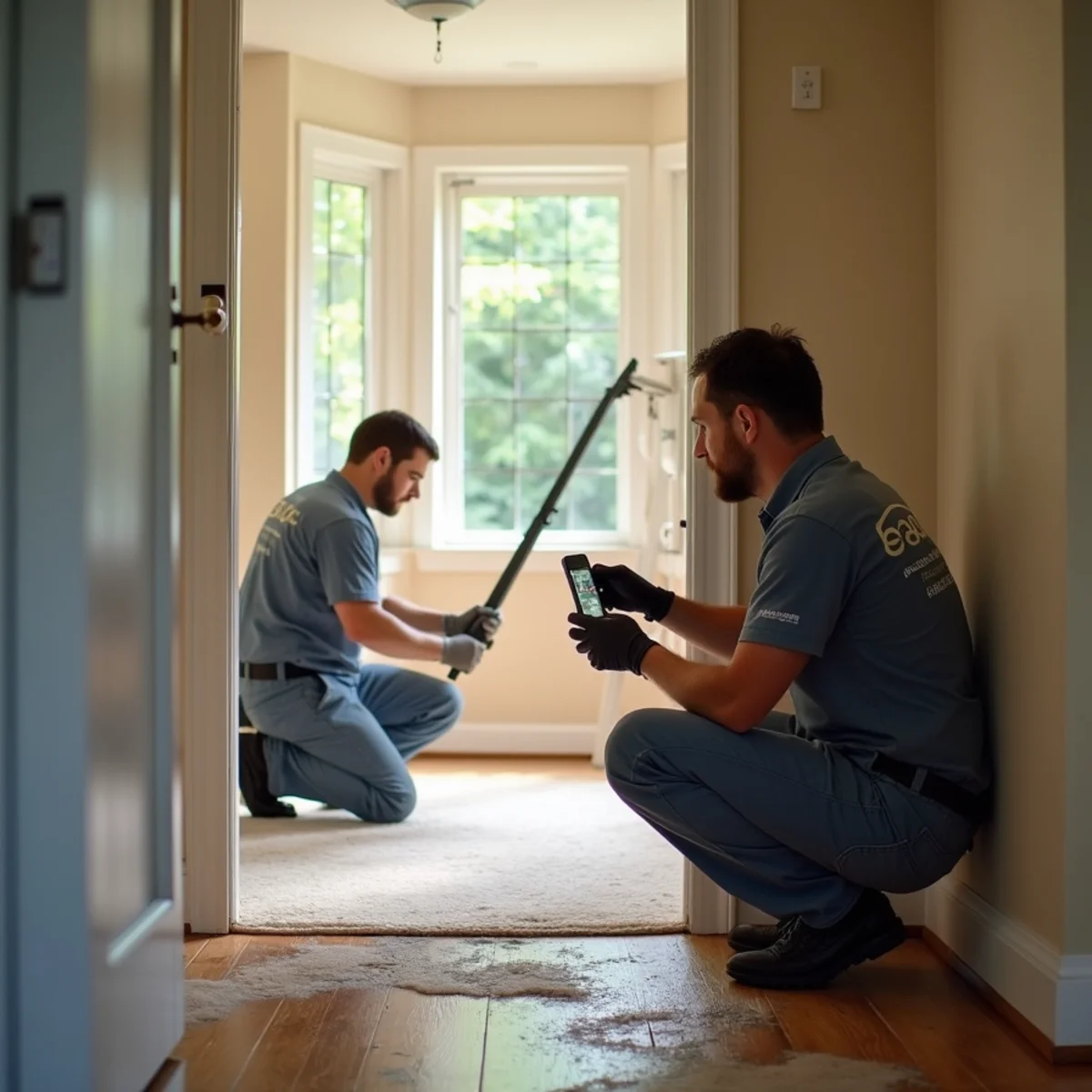
Once we arrive, we build a second layer of documentation: moisture readings taken at the start of the job and logged daily through drying, photos of every affected material before removal, and a written scope of work that separates mitigation from rebuild. That packet becomes part of your claim file alongside your own photos and receipts.
We follow IICRC S500 drying standards and keep our documentation to the same format adjusters see across the industry, which is part of why direct insurance billing tends to move faster when the paperwork is built this way from day one.
This is also where category matters. We note in writing whether the water was clean supply-line water, gray appliance discharge, or contaminated sewage, since that classification affects both the remediation scope and how your adjuster evaluates the claim.
Common documentation mistakes that slow a claim down
The biggest one is discarding damaged materials before anyone photographs them, a soaked carpet dragged to the curb before an adjuster or restoration crew sees it is evidence that is gone for good. The second is waiting days to call anyone, which lets an adjuster question whether the loss was really sudden.
The third is accepting a verbal estimate instead of a written scope. If a claim is ever questioned, a written, itemized document tied to photos and moisture logs holds up. A verbal number does not.
We have also seen claims stall because a homeowner accepted a low verbal number from an unlicensed handyman just to get water out fast, then could not substantiate the actual damage later. Hire a CSLB-licensed, IICRC-certified crew from the start and the documentation trail stays clean.
A fast checklist for the first hour
If you only have a few minutes before help arrives, work through this short list. It covers the documentation steps that matter most and takes less time than most people expect.
- Photograph every affected room, wide and close, before moving anything
- Shut off the water source if it is safe to reach
- Write down the approximate time you discovered the damage
- Save every receipt tied to the loss, starting today
- Call us so we can start extraction and begin our own documentation
The documentation mistake that costs the most
The mistake we see most is a homeowner having a plumber fix the leak source right away without photographing the access point first. Cutting into a wall to reach a pipe destroys the very evidence of where and how water entered, which is often the piece of documentation that most clearly establishes a sudden failure rather than a gradual one. A quick photo of the fitting or hose before it gets cut away or replaced takes seconds and can matter more to your claim than anything captured afterward.
There is a tradeoff between speed and organization worth knowing too. Texting a handful of quick photos to your adjuster the same day shows good faith and gets the ball rolling, but a follow-up set labeled by room, with a wide shot and a close shot paired for each area, is what actually gets reviewed carefully. We recommend doing both: send what you have right away, then follow up within a day or two with a labeled, complete set.
What to do if you did not catch it in time
Sometimes there is no clean chance to document before damage happens, like coming home from a trip to standing water that has been sitting for two days, or a rental property where a tenant already started cleanup before calling. In those cases, the documentation shifts from what you saw to what evidence still exists, and there is usually more of it than people think.
A few sources of secondary evidence we point homeowners toward when the first-hour photos did not happen:
- Smart water sensor or leak detector logs, if the home has one, which timestamp exactly when moisture was first detected
- A sudden spike on a recent water bill, which can help establish when a hidden leak likely started
- Security camera or video doorbell footage that might show water pooling near an entry point
- A neighbor's or tenant's account of when they first noticed a smell, sound, or visible water
Frequently asked questions
Photograph whatever remains immediately, note in writing what was discarded and why, and let us know when we arrive. We can still document the extent of the loss through moisture readings and remaining materials, though photos before disposal are always stronger evidence.
Your phone is enough. What matters is capturing wide and close shots of every affected area with a timestamp, not photo quality. We add professional-grade documentation, including moisture readings, once we are on site.
Keep them for at least a year, and longer if there is any chance of a recurring issue in the same area, like a slab leak. If a related problem shows up later, that original documentation helps establish the history.
Yes. We provide the written scope, photos, and moisture logs directly to your adjuster and bill your insurer for the covered portion of the work, so you are not stuck relaying paperwork back and forth yourself.