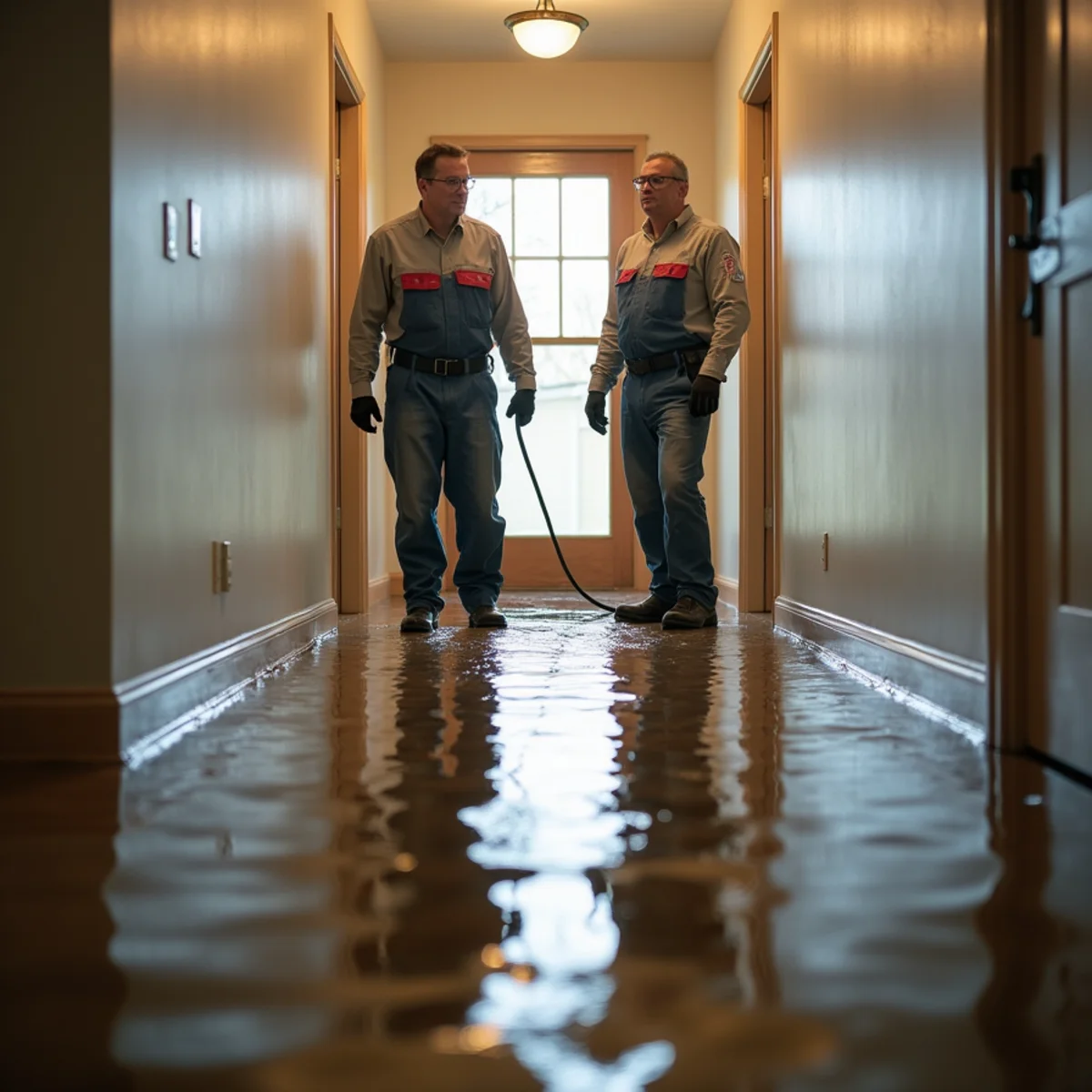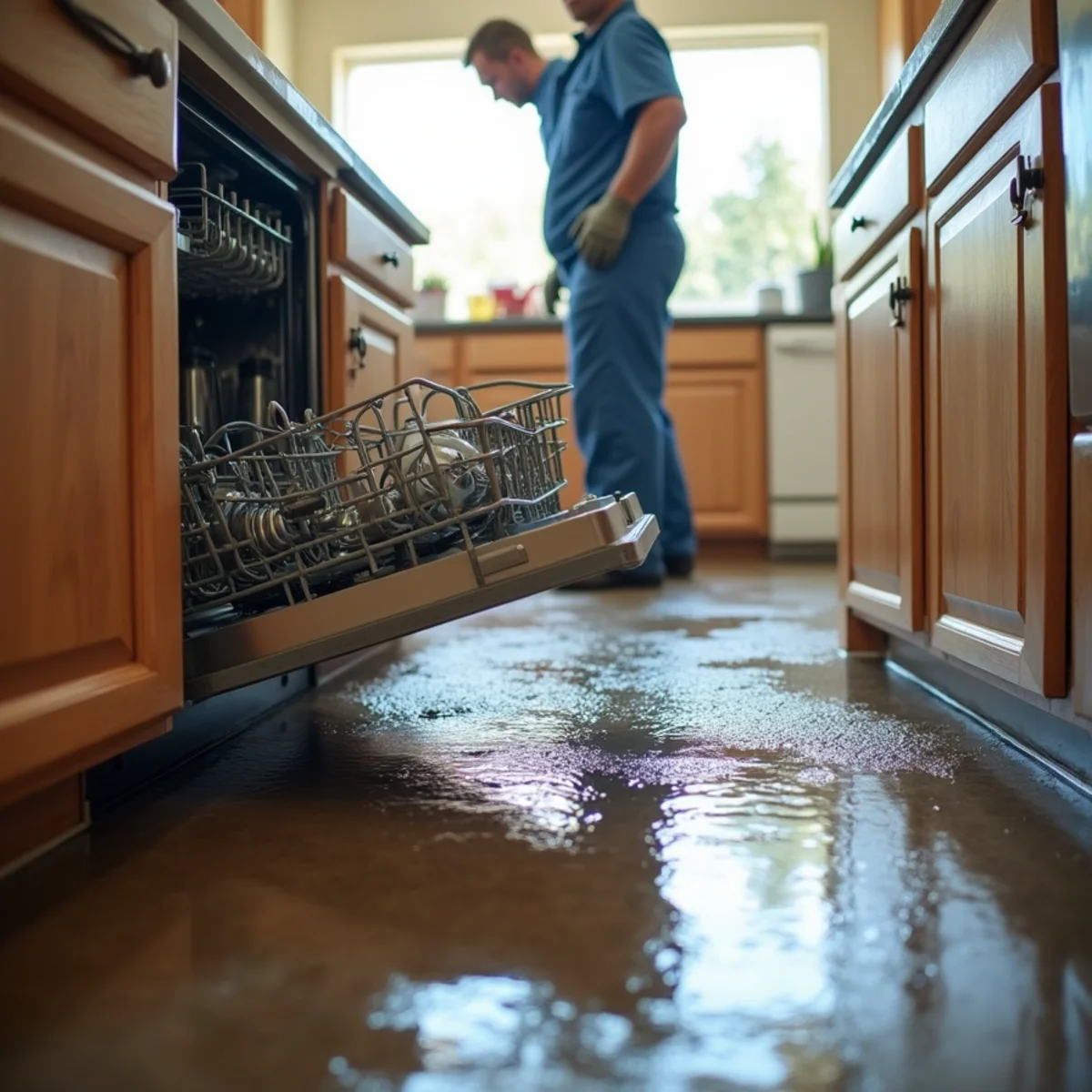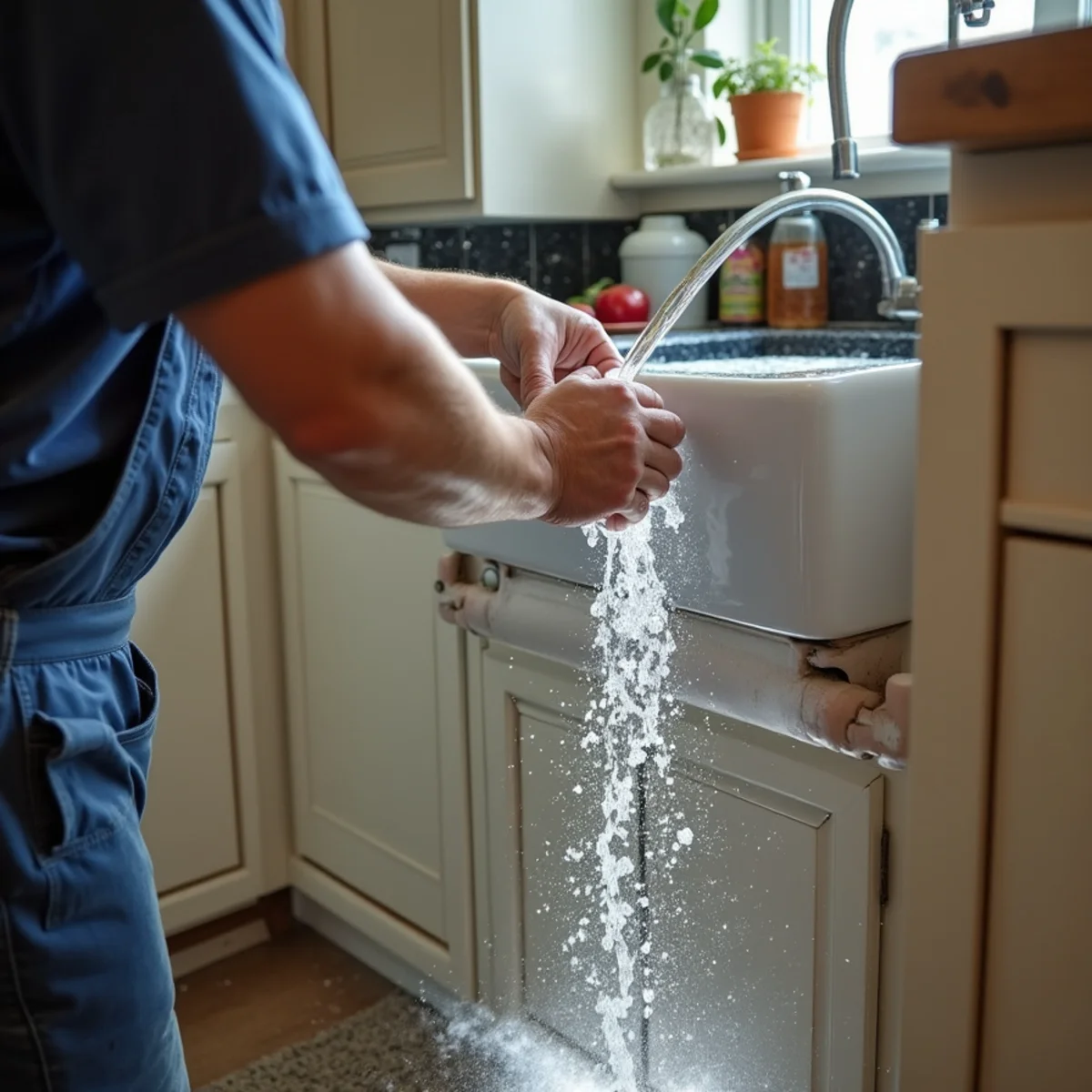
Dealing with this right now? See our 24/7 emergency water removal service, and we respond fast across Rocklin. Or call +1 (201) 277-9344 any time — we answer 24/7.
The difference between a mop-up and a five-day structural dry-out often comes down to one thing: how fast someone shuts off the water. Not the plumber, not the restoration crew - you, in the first minute or two after something fails. And that only works if you already know where the valve is before the emergency starts.
This guide shows you exactly where to look in a typical Roseville home, how to test the valve safely today, and what to do if you cannot find one or it will not turn. Five minutes now can save days of drying later.
Why this one skill matters more than any gadget
Smart leak sensors and automatic shutoff valves are useful, but most homes do not have them, and batteries die. The one tool every homeowner already has is the main shutoff valve, and knowing its location cuts your reaction time from minutes of searching to seconds of turning. A burst pipe under full house pressure can push out several gallons a minute - every minute spent hunting for the valve is more water into your drywall and subfloor.
We walk homeowners through this over the phone constantly during emergency calls. The ones who already know where the valve is have often stopped the flow before we even hang up.
Where the main shutoff usually is in a Roseville home
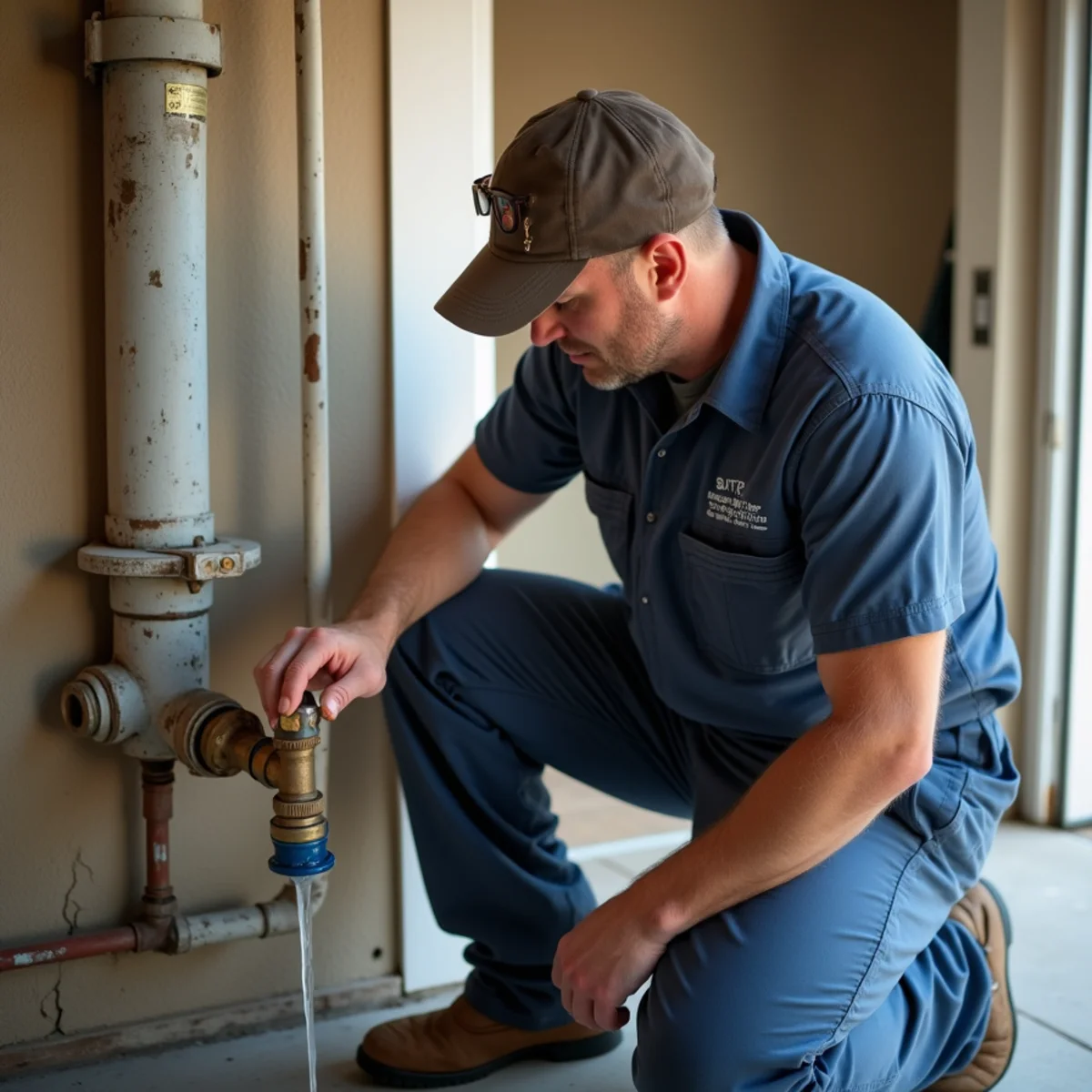
Most homes here fall into a few common patterns. In many 1980s and 1990s tract homes, the main shutoff is in the garage, near where the water line enters the house along the wall closest to the street. In homes without a garage entry point, check for an exterior valve near the front hose bib, often set into a small box in the ground or against the foundation, operated with a valve key or pliers.
Some homes also have an interior shutoff near the water heater or in a utility closet in addition to the street-side valve. If you have both, know that the one closest to where the water enters the house is the one that cuts everything off fastest.
- Garage wall nearest the street, close to where the line enters
- Exterior valve box near the front hose bib
- Utility closet or area near the water heater
- As a last resort, the street-side meter box has a curb stop, though this often requires a special key
How to test it safely today
Find the valve, then turn it clockwise until it stops - do not force it if it feels seized. Turn on a faucet inside the house to confirm the water actually stopped flowing. Then turn the valve back on and check for any drips at the valve itself, which can mean it is old and starting to fail.
If the valve feels stiff, corroded, or does not fully stop the water, do not wait for an emergency to find out it does not work. Have a plumber replace it. A gate valve that has not been turned in years is one of the more common reasons a homeowner cannot stop a flood quickly.
What to do if you cannot find a shutoff or it fails
If you search for a few minutes and cannot locate a valve, or the one you find will not turn, do not keep searching while water spreads. Call us at +1 (201) 277-9344 - we can talk you through likely locations over the phone while a crew heads your way, and if the valve genuinely will not shut, we bring equipment that can manage active water on arrival.
As a stopgap for a single fixture, like a toilet or washing machine, shutting off that fixture's local valve can buy time even if you cannot find the main.
Label it so anyone in the house can use it
Once you find your valve, put a bright tag on it and tell everyone in the household where it is - including kids old enough to help and anyone who house-sits or pet-sits for you. In an actual emergency, whoever is home first is the one who stops the water, and that should not depend on whether it happens to be you.
Beyond the main valve: know your fixture shutoffs too
Toilets, sinks, washing machines, and water heaters typically have their own local shutoff valves. Knowing these locations means you do not always need to cut water to the entire house for a single-fixture problem. Test each one the same way - turn it, confirm the water stops, turn it back - so you know they actually work before you need them.
We are still a phone call away
Even with the valve shut off, call +1 (201) 277-9344 for anything beyond a small, contained spill. We assess what water reached, extract what needs extracting, and confirm the structure is fully dry.
What our crews see when a shutoff fails at the worst time
The mistake we see most is someone cranking hard on a stuck valve handle mid-emergency and either stripping the stem or snapping the handle off entirely - turning a one-fixture leak into a broken valve with water still running. If a valve resists turning, it needs steady, moderate pressure with channel-lock pliers, not force applied out of panic. If it will not budge after a reasonable try, stop and move to a backup shutoff instead of forcing it further.
There is also an honest tradeoff between valve types. Older gate valves - the kind with a round handle you turn several full rotations - use an internal rubber washer that can dry out, crack, or seize after years of sitting untouched, which is exactly why they tend to fail when you finally need them. Modern quarter-turn ball valves are more reliable and worth asking a plumber to install next time any work is done near your main line. If your home still has its original gate valve from the 1980s or 1990s build, that is reason to test it more often, not to wait.
We also hear from homeowners who assumed a valve was fine because it had never been touched, which is backwards. A valve that has not moved in a decade is more likely to seize than one that gets turned regularly, precisely because mineral deposits and corrosion build up undisturbed. Twisting it once or twice a year keeps it functional and tells you what kind of valve you are actually dealing with before an emergency forces the question.
Don't forget your irrigation shutoff - it's a different valve entirely
Sprinkler and drip irrigation systems are one of the most common sources of residential water loss locally, and they typically run through their own shutoff, separate from anything inside your house. Shutting off your home's main does nothing for a broken sprinkler line or valve flooding a planter bed near the foundation - you need to find and close the irrigation system's own valve, usually located near the backflow preventer in the yard or alongside the meter box.
A soggy patch of lawn, a sinkhole near a sprinkler head, or water pooling against the foundation with no obvious indoor source often points to an irrigation break rather than a plumbing issue inside the house.
We get calls for exactly this - a sprinkler valve stuck open, a broken lateral line under a flower bed - and the first question we ask is always whether the water has been shut off yet. Knowing where that valve is, and confirming it is closed, saves time before we even get to discussing what needs to be extracted or dried.
- Look for the backflow preventer - usually a pair of small brass valves and test cocks mounted on a pipe near the water meter or along an exterior wall
- A soggy patch of lawn or a sinkhole near a sprinkler head or valve box can mean an underground line break, not a household plumbing issue
- Shutting off the irrigation controller only stops the electric signal - the water itself needs the physical valve closed
- If you are not sure which valve controls irrigation versus the house, ask your landscaper or plumber to walk it with you once, then label both
Frequently asked questions
Do not force it hard enough to break the handle. Try penetrating oil and gentle pressure, and if it still will not move, have a plumber replace it before it becomes an emergency. In the meantime, know your fixture-level shutoffs as a backup.
No. The meter box near the street usually has a curb stop that the utility controls and that requires a special key, and it is a backup, not your primary shutoff. Your home's main valve, closer to the house, is what you should use first.
Once or twice a year is plenty. Turn it fully off, confirm a faucet stops running, then turn it back on. This catches a seized or failing valve while you have time to fix it, rather than during an active leak.
Shutting off the source stops new water from coming in, but it does not extract what already spread. Call +1 (201) 277-9344 - we handle everything from there, including checking for water hidden behind walls and under flooring.
It depends on the valve type. A round wheel-style (gate) valve turns clockwise — righty-tighty — and may take several full turns to close all the way. A lever-style (ball) valve only needs a quarter turn: rotate the handle until it sits crosswise to the pipe. If a wheel valve stops turning before it feels fully closed, do not force it — check a faucet to confirm the water actually stopped.
Most Roseville homes have two. The one to use in an emergency is where the main line enters the house — commonly in the garage, a utility closet, or near the water heater, often on the wall facing the street. There is also a street-side valve in a covered box near the sidewalk or in the yard, but that one is a utility backup that usually needs a meter key. Find and tag the house-side valve now, before you need it in the dark.