Dealing with this right now? See our flood cleanup service, and we respond fast across Linda Creek. Or call +1 (201) 277-9344 any time — we answer 24/7.
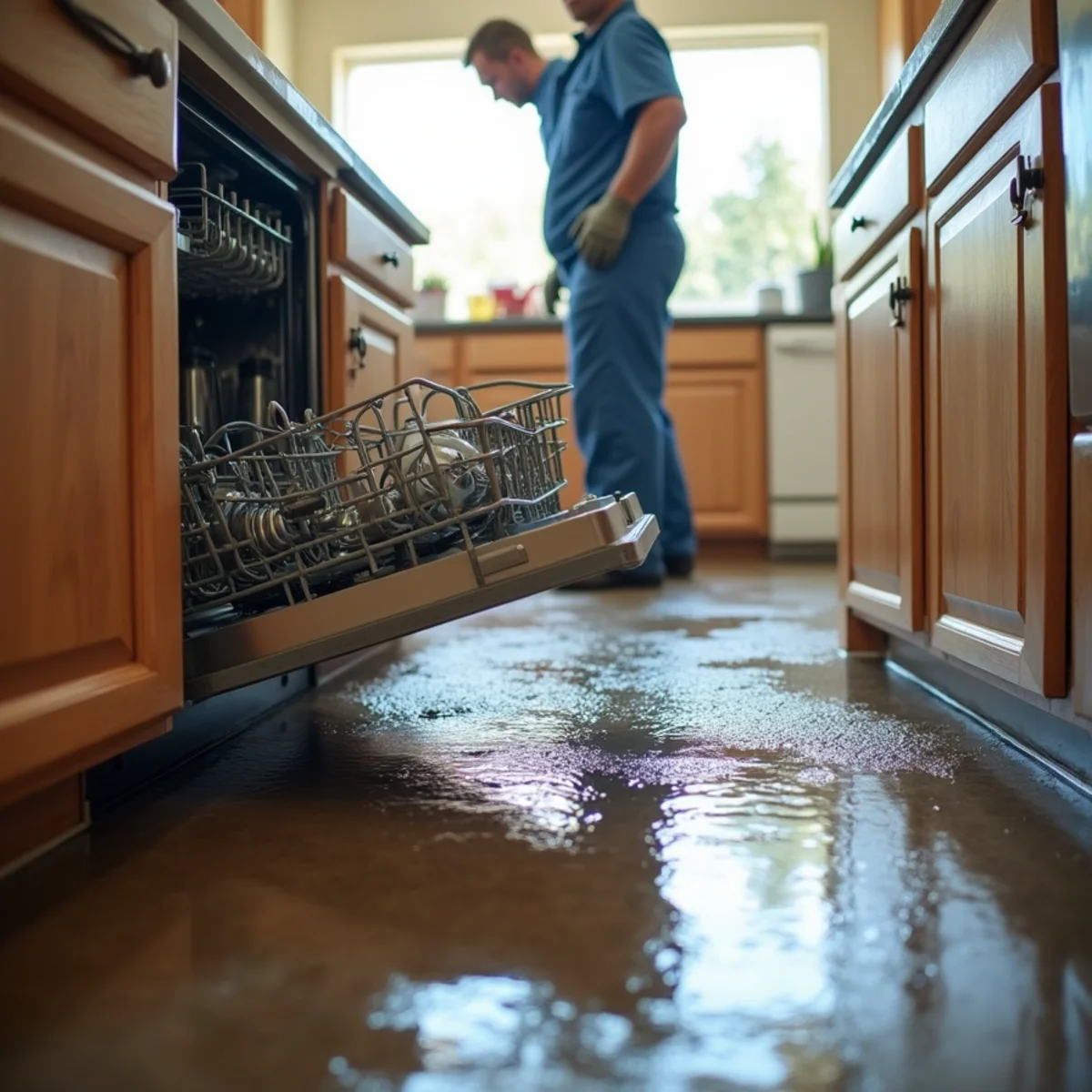
You come home, or wake up, to find water covering the floor - maybe an inch, maybe several. The immediate question is not just how to clean it up. It is whether your family should stay in the house at all right now. That answer depends on where the water came from, how much electrical exposure there is, and how far it has spread.
This guide walks through how to make that safety call quickly, then who to contact first - because it is not always us first, and knowing the order matters.
First, identify the water source and category
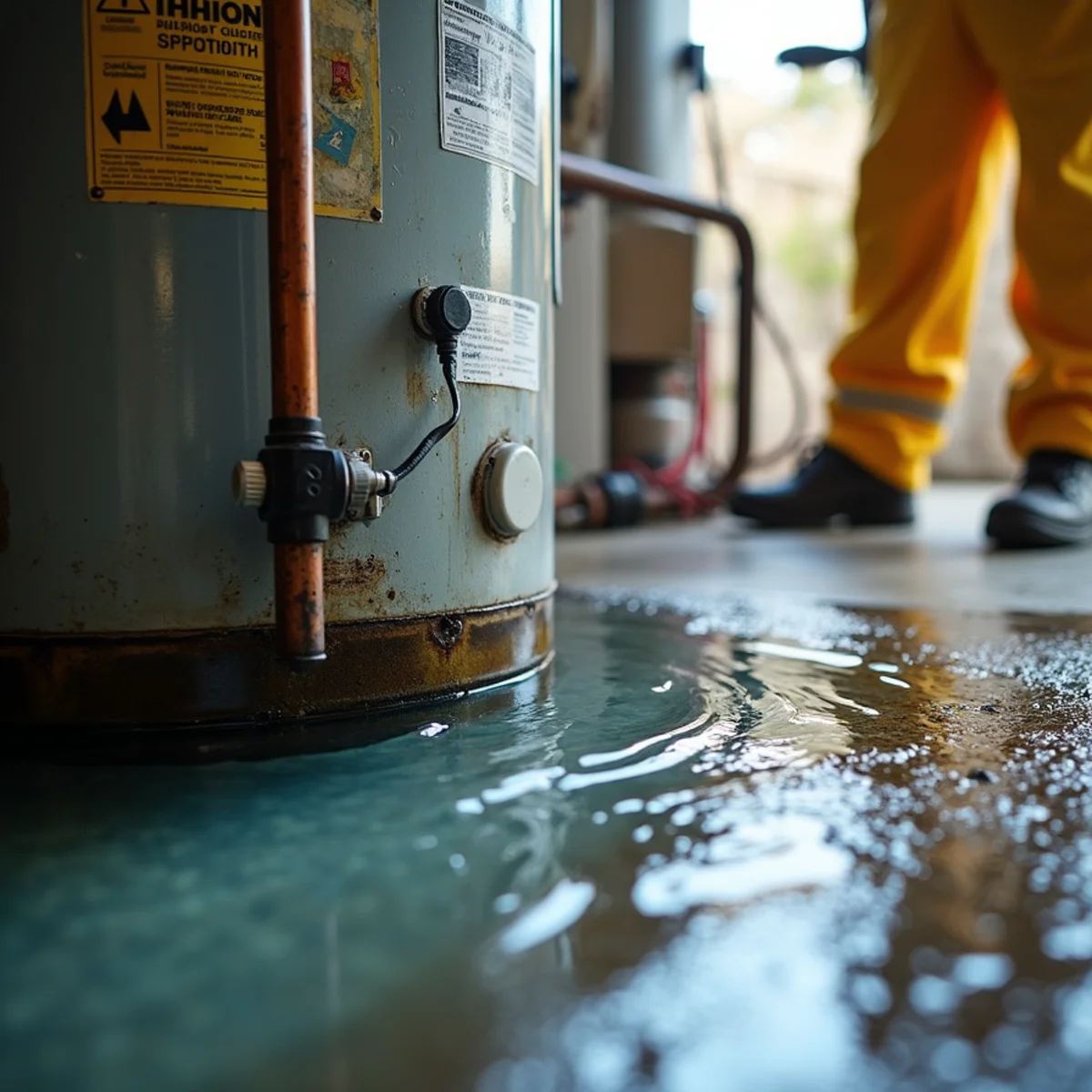
Clean water from a supply line or rainwater intrusion (Cat 1) is the lowest risk. Gray water from a washing machine, dishwasher, or sump failure (Cat 2) carries some contamination and should be treated with more caution. Black water from sewage backup or floodwater that has touched the ground outside (Cat 3) is the highest risk and requires the most caution around direct contact.
If you are not sure which you are dealing with, treat it as the more serious category until you know otherwise. A strong odor, dark color, or visible debris are strong signs you are looking at Cat 2 or Cat 3 water.
When it is not safe to stay
Leave the affected area, and the house if needed, if any of the following are true: water is near an outlet, appliance cord, or electrical panel and you cannot confirm power is off; the water is Cat 3 (sewage or exterior floodwater); water is deep enough to be a slip or fall hazard for young kids or elderly family members; or you smell gas, which can happen if flooding has affected a gas appliance connection.
If in doubt, get everyone to a dry area of the house or outside, and make the safety call before the cleanup call.
- Water touching or near an energized outlet or panel
- Any sewage or exterior floodwater (Cat 3)
- Water deep enough to be a fall hazard
- Any smell of gas
When it is generally safe to stay, with precautions
If the water is clean, shallow, confined to one area like a bathroom or laundry room, and away from any electrical hazard, most families can safely stay elsewhere in the house while cleanup begins. Keep kids and pets out of the wet area itself, and avoid walking through it more than necessary to prevent tracking it to dry rooms.
Who to call first: power, then water source, then us
If there is any electrical risk, your safety concern comes first. If you are not confident shutting off the right breaker yourself, or the panel is wet, call an electrician or, if the situation feels dangerous, treat it like any other utility emergency and get everyone clear before troubleshooting.
Next, stop the water at its source if you can do so safely - the main shutoff valve for a plumbing failure, or simply getting out of the path of exterior floodwater if that is the cause. Then call us at +1 (201) 277-9344. We handle everything from that point: extraction, drying, and coordinating with your insurance adjuster.
- 1Address any electrical danger first - call an electrician if unsure
- 2Stop the water source if it is safe to do so
- 3Call us for extraction and drying
- 4Contact your insurance company once the situation is stable
What we assess when we arrive
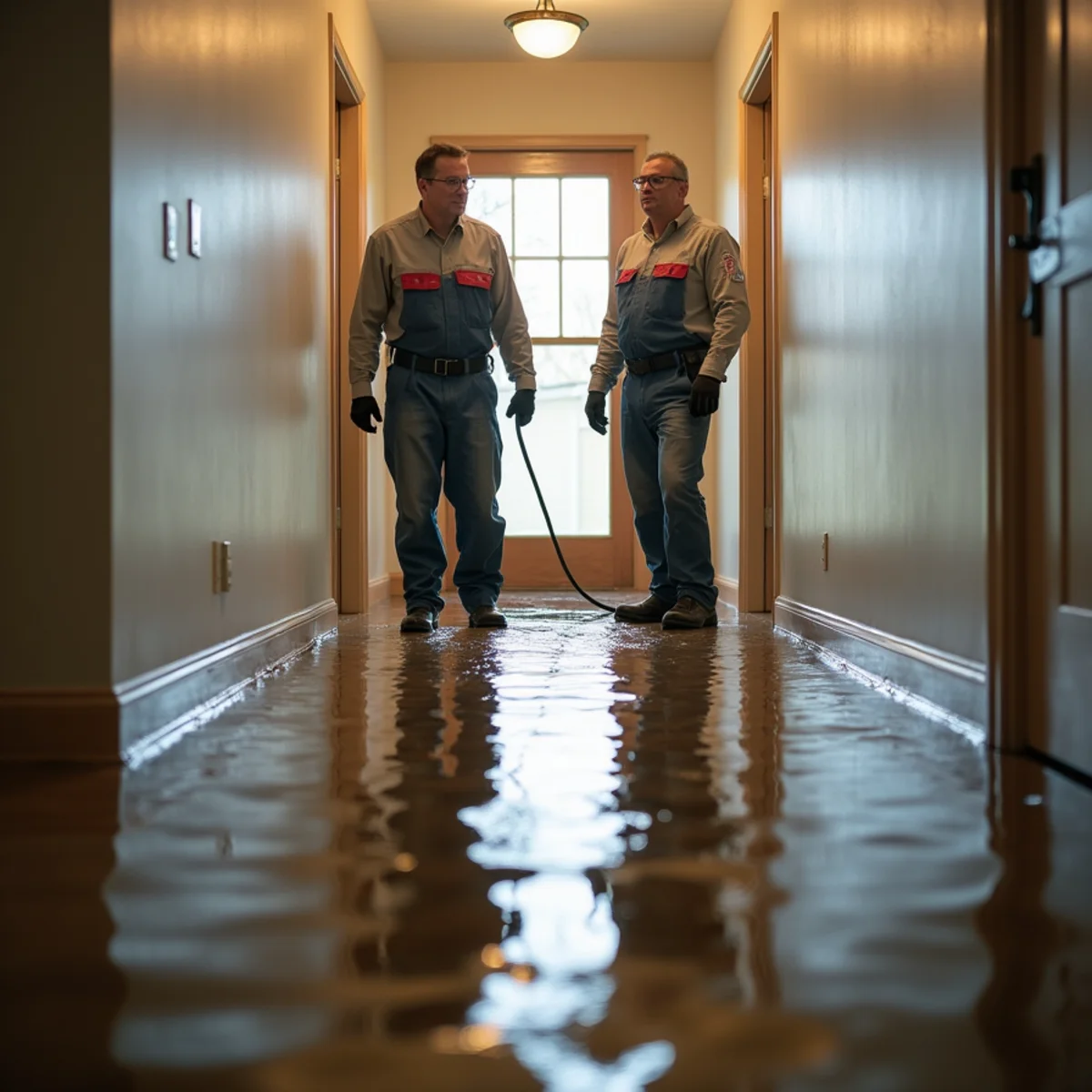
Our crew checks water category, depth, and how far it has traveled before starting extraction. We test for electrical safety in the affected area, confirm the source is fully controlled, and then begin removing water with truck-mounted or portable extraction equipment depending on the volume.
For larger flood events, especially those involving Placer County's creek systems like Dry Creek, Cirby Creek, or Linda Creek during a heavy winter storm, we coordinate with what your specific situation needs, since floodwater intrusion is treated as Cat 3 regardless of how clear it looks.
Getting back into a dried-out home
Once extraction is complete, we set air movers and dehumidifiers and track moisture readings daily until the structure reads dry - typically three to five days depending on how much water was involved and how far it spread. We will tell you clearly when it is safe to resume normal use of the space, rather than leaving you to guess based on how things look or feel.
We are IICRC certified, follow IICRC S500 protocols, and are CSLB-licensed and insured, and we bill your insurer directly for covered work so you are not managing multiple invoices during an already stressful week.
When to skip the assessment and just call
If you are asking yourself whether it is safe to stay, that uncertainty alone is reason enough to call +1 (201) 277-9344. We would rather talk you through it than have you guess wrong.
What our crews watch for when we walk into a flooded home
The mistake we see most is people's first instinct being to rescue belongings, wading into standing water they have not checked for electrical hazard, when the safer move is a 30-second visual check of nearby outlets and the panel before anyone steps in past their ankles. Photos and paperwork can be replaced with more effort than a person can.
Recommending evacuation is also a judgment call, and we try to be honest that 'safe to stay' and 'convenient to stay' are two different questions. Even clean Cat 1 water might justify moving elderly family members, infants, or anyone with respiratory concerns out of the house temporarily, simply because equipment noise and disruption will run for several days - not because the water itself is dangerous. A contained puddle in one bathroom is a different situation than water that has spread across multiple rooms, even if both start out as the same category.
A related mistake: flipping the main breaker for the whole house because you are not sure which individual circuit feeds the wet area. That plunges you into darkness while you are trying to assess a flood, which makes everything slower, not safer. If your panel is labeled, take thirty seconds to find the specific circuit. If it is not labeled, or you are not confident, that uncertainty is exactly the kind of thing worth a quick call to an electrician rather than guessing under pressure.
If water is spreading across more than one room, triage in this order
Once immediate safety is settled, homeowners often freeze because there is too much happening across too many rooms at once. Having a set order to work through keeps you from wasting the first few minutes deciding what to do first.
This order shifts slightly for a two-story home. Water on an upper floor is already moving downward under gravity by the time you notice it, so the room below the source - even if it looks completely dry right now - deserves attention sooner than a room on the same floor that is further from the leak but visibly wetter. Do not let what looks worse override what is actually moving fastest.
Work through it in this sequence rather than jumping around the house:
- 1Confirm everyone and pets are clear of any electrical risk
- 2Stop the water at its source if you can do so safely
- 3Grab irreplaceable items only - photos, documents, medications - not everything you own
- 4Prioritize the room closest to the source, since it has the most volume and the least time before materials are ruined
- 5Check rooms downhill or downstream of the source last, since water reaching them has already lost some volume and speed
Frequently asked questions
Look at color and smell first - dark, cloudy water with a strong odor is a warning sign of Cat 2 or Cat 3 contamination. If the water came from a sewage backup, a sump failure, or entered from outside the home, treat it as contaminated regardless of appearance.
Often yes, if the affected area is contained, away from electrical hazards, and the water is Cat 1. Keep the area isolated and get extraction started as soon as possible so it does not spread overnight.
Mold can begin developing within 24 to 48 hours in the right conditions, especially in a warm home. That is why we recommend calling as soon as it is safe to do so rather than waiting to see how things look in the morning.
Handle immediate safety first, then call us so extraction can start right away - waiting on an insurance call before addressing active water almost always makes the damage worse. We document everything as we work so your insurance claim has what it needs.