Dealing with this right now? See our sewage cleanup & backup removal service, and we respond fast across Citrus Heights. Or call +1 (201) 277-9344 any time — we answer 24/7.
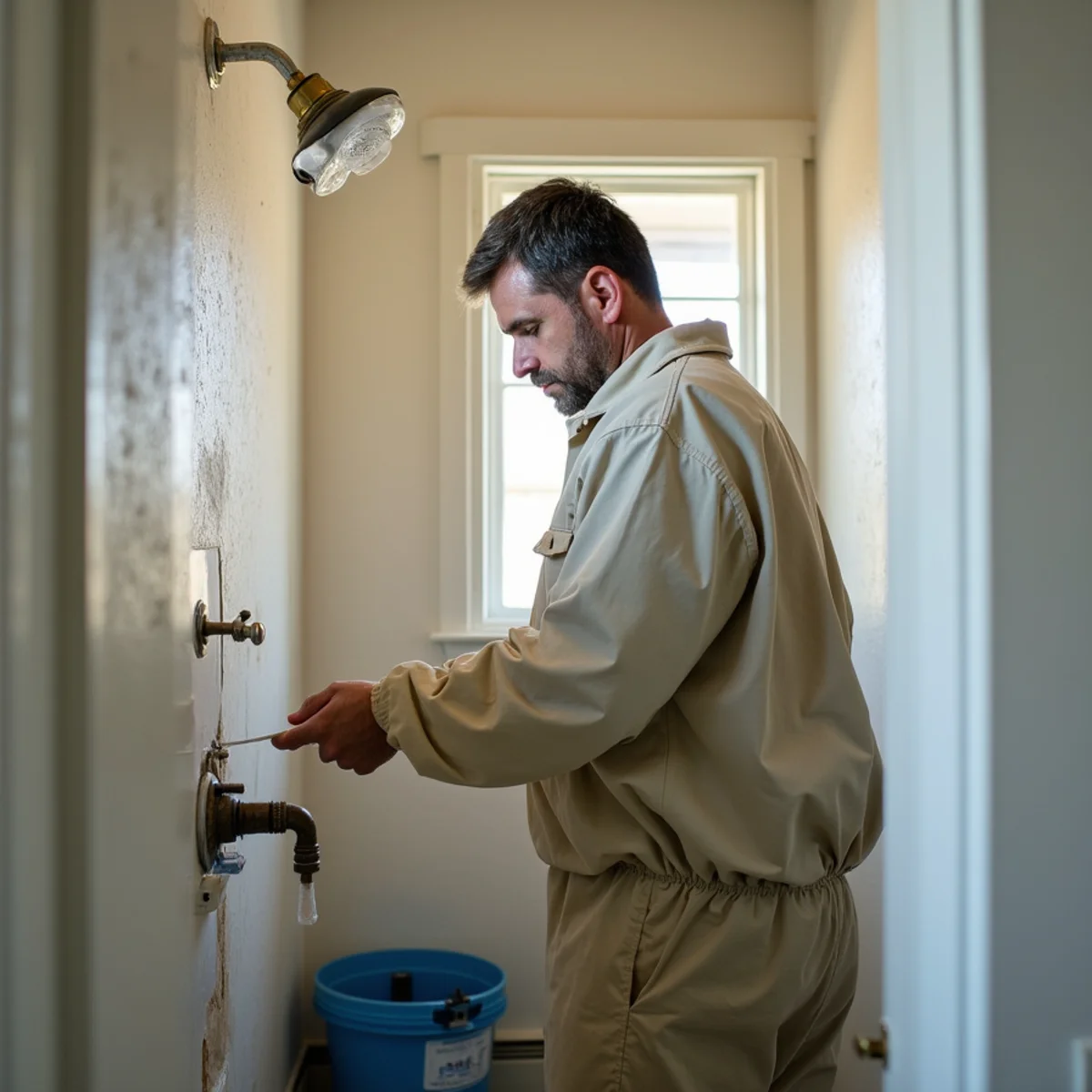
The shower is usually the lowest drain in the house, which makes it the first place a blocked sewer line shows itself. If you have turned on the water, run a load of laundry, or flushed a toilet upstairs and watched dark water bubble up through the shower drain instead of going down, your main sewer line is backed up somewhere downstream of that fixture.
This is not a job for a plunger and a rag. Water coming up a drain instead of going down it has already been through pipes carrying waste, and it carries the bacteria, viruses, and parasites that go with that. This guide covers why it happens, what it means for your health, and how a Roseville crew handles the cleanup safely.
Why the shower is usually where you see it first
Every fixture in your home ties into one main line that runs out to the city sewer or a septic tank. When that main line is blocked, wastewater has nowhere to go but back up through the path of least resistance. Showers and tub drains sit low, so they are often the first fixture to show a backup, even if the actual clog is nowhere near the bathroom.
If you notice gurgling from the shower drain right after you flush a toilet, that is a strong sign the blockage is in the main line, not the shower's own trap. A local clog in just the shower drain will not react to a toilet flush somewhere else in the house.
What actually causes a sewage backup
Most backups trace back to one of a handful of causes. Roots growing into an aging sewer line are common in older Roseville neighborhoods with mature trees near the lateral. Grease and wipes flushed down kitchen and bathroom drains build up over years and narrow the pipe until normal flow cannot get through. A collapsed or bellied section of clay or cast-iron pipe can trap solids the same way.
During heavy winter storms, city sewer mains can also surcharge when stormwater infiltrates old pipe joints, pushing flow back into homes that are otherwise working fine. That is less about your plumbing and more about a system running at capacity during an atmospheric river event.
- Tree roots intruding through pipe joints
- Grease, wipes, and paper buildup narrowing the line
- A collapsed, bellied, or offset pipe section
- Municipal sewer surcharge during heavy rain
Why sewage water is a Category 3 loss
The IICRC S500 standard classifies sewage backup as Category 3 water — grossly contaminated water that can carry pathogenic bacteria like E. coli, viruses, and parasites. This is the most serious of the three water categories, above clean supply-line water and gray appliance discharge.
That classification changes everything about the cleanup. Porous materials that touch Category 3 water — carpet, carpet pad, drywall below the flood line, baseboard, and often subflooring — typically cannot be sanitized to a safe standard and need to be removed and replaced rather than dried in place.
Health risks in the meantime
Do not let kids or pets near the affected bathroom. Do not attempt to wade through or mop up sewage water without gloves, boots, and eye protection at minimum. Wash your hands thoroughly if you have any contact, and avoid touching your face until you have.
If sewage water has splashed onto surfaces you cannot avoid using right away, treat them as contaminated until they have been properly cleaned and disinfected, not just wiped down.
Stop using water in the house
Every flush, shower, and load of laundry adds more water to a system that already cannot drain. Shut off water use in the affected bathroom and limit it elsewhere until the blockage clears.
What we do on a sewage backup call
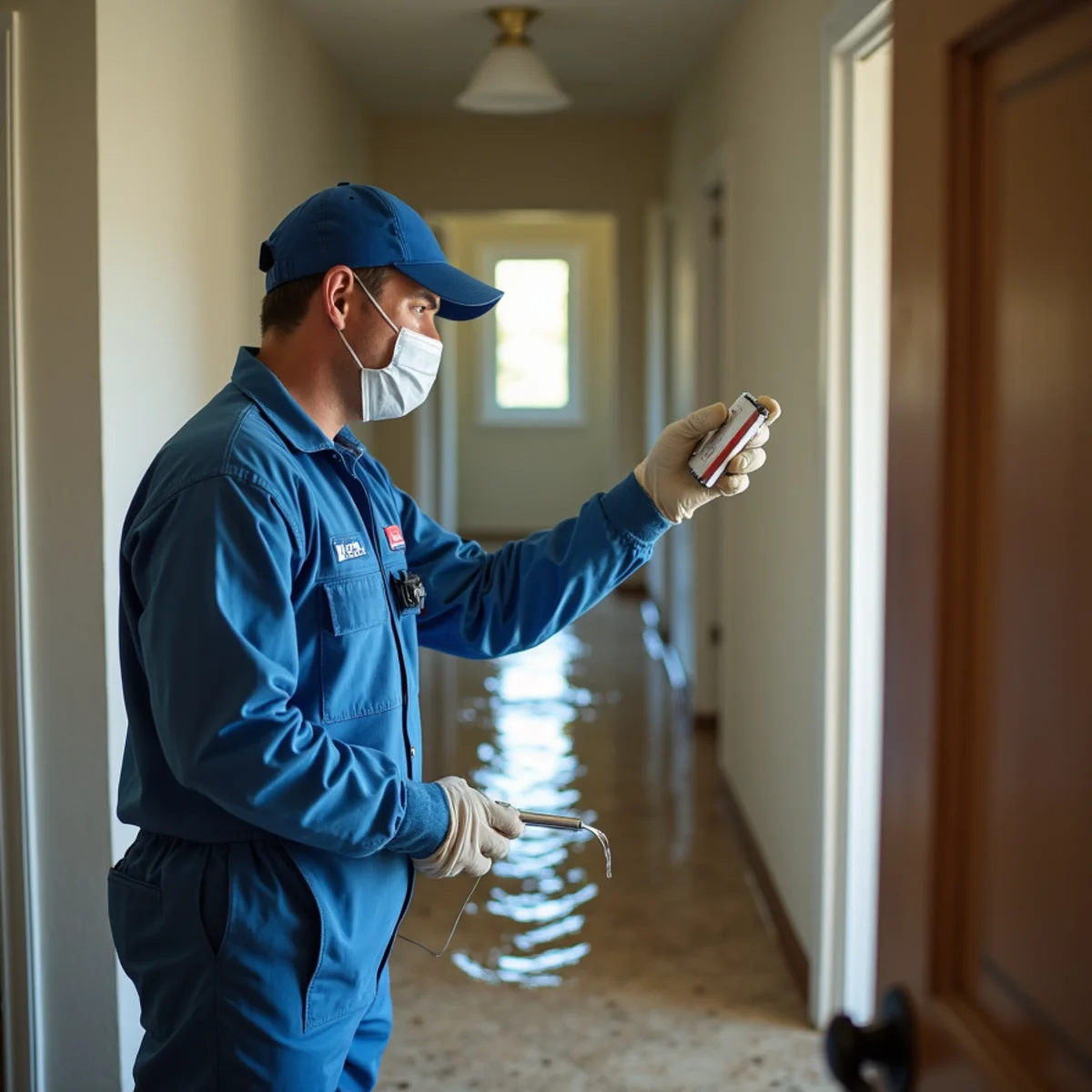
Our techs suit up in PPE before entering the affected area — gloves, boots, eye protection, and respiratory protection when air quality calls for it. We extract standing sewage water with truck-mounted equipment, then assess which materials are salvageable and which need to come out.
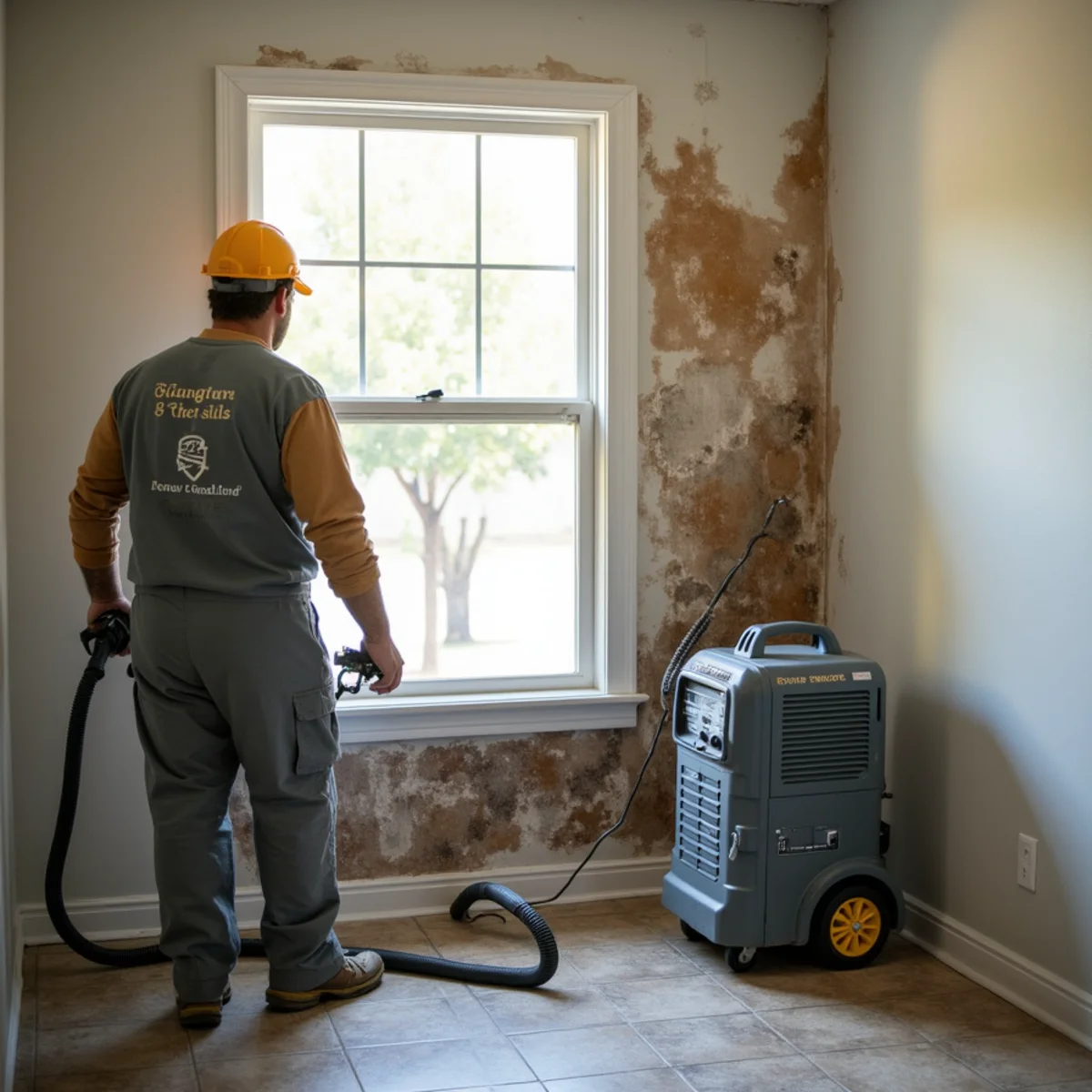
Baseboard, drywall, and flooring that contacted Category 3 water usually get removed to the affected height, plus a buffer above the visible waterline since contamination wicks upward. We then clean and apply an EPA-registered antimicrobial to the structure, set air movers and dehumidifiers, and monitor drying with moisture meters until readings confirm the space is dry.
- 1Suit up and assess the extent of contamination
- 2Extract standing sewage water
- 3Remove unsalvageable porous materials
- 4Clean and disinfect the structure
- 5Dry and monitor with moisture meters
Getting the drain line itself cleared
Restoration handles the water and the contaminated materials. Clearing the actual blockage — snaking the line, running a camera to find roots or a collapsed section, or hydro-jetting — is plumbing work. We coordinate timing with a plumber so the line gets cleared while we handle extraction and drying, instead of the two crews working at cross purposes.
If the camera inspection shows root intrusion or pipe damage, that is worth knowing now. A line that backs up once under stress will likely do it again unless the root cause gets fixed, not just cleared.
The mistake that turns a small backup into a bigger loss
The instinct after a shower backs up is to grab a wet/dry shop vac, suck up the standing water, and move on with the day. The mistake is using that same vac — or a mop, or a bucket of towels — anywhere else in the house afterward without disinfecting it first. Category 3 water riding on a vac's wheels or a mop handle spreads contamination to carpet and rooms that were never part of the original loss, which turns a one-bathroom problem into a multi-room cleanup.
The other cut we make that surprises people is flood-cutting drywall higher than the visible stain line. Contamination wicks upward inside a wall cavity faster than it shows on the painted surface, so cutting only to where you can see discoloration often leaves contaminated material behind the new patch. It costs more in the moment to cut a little higher and it saves a second visit and a lingering odor a few weeks later.
- Don't reuse a wet/dry vac or mop on Category 3 water without disinfecting it first
- Don't run the bathroom fan or whole-house HVAC while sewage water is standing
- Don't wait to call because the water "seems to be going down on its own"
- Don't assume the visible stain marks the true extent of the contamination
- Don't bail standing water into a second sink or toilet to "get rid of it faster"
Protecting the rest of the house while the line is still blocked
A plumber may not get there for an hour or more, and the drain problem does not pause while you wait. If more than one fixture is affected, shut off water use in every bathroom and the kitchen, not just the one with the backup — a working sink upstairs can still be adding water to a main line that has nowhere to send it. Close the door to the affected bathroom to physically contain odor and any airborne contamination from drifting through the rest of the house, and check whether a garage or laundry room floor drain ties into the same line, since those can start backing up too once the blockage is downstream of where the branches join.
If this is not the first time your home has backed up, a backwater valve is worth asking a plumber about once the emergency has passed. It is a one-way valve installed on the line that lets wastewater flow out normally but blocks it from flowing back in during a municipal surcharge, and it is a reasonable question for any home with a garage or basement floor drain that has backed up more than once.
One thing people try that backfires: bailing standing water out of the shower into a nearby sink or toilet to move it along faster. If the main line is blocked downstream, that water has nowhere to go either — moving it just spreads Category 3 contamination to a second fixture and trap instead of solving anything. Leave standing water where it is until extraction equipment can pull it out of the house entirely.
- 1Shut off water use in every bathroom and the kitchen, not just the affected fixture
- 2Close the door to the affected bathroom
- 3Check any floor drains in the garage or laundry room for the same symptom
- 4Keep pets and kids clear of the hallway leading to the bathroom, not just the room itself
- 5Note the time the backup started and what fixture triggered it — useful for the plumber's camera inspection
Frequently asked questions
Not until the line has actually been cleared and the bathroom cleaned and disinfected. A backup that stops on its own can start again the moment you add more water to a still-blocked line, and residual contamination stays on surfaces until it is properly treated.
Surface bleaching helps but does not address contamination that has wicked into grout, baseboard, or drywall behind the tile. Category 3 water needs assessment of what actually got contaminated, not just what is visible.
Many policies cover sewage backup only with a specific endorsement or rider, so coverage varies. We document the loss thoroughly and bill your insurer directly for covered work so your adjuster has what they need to process the claim.
We run calls throughout Citrus Heights and dispatch 24/7 with a 60-minute emergency response target. Call as soon as you see backup, shut off water use in the house, and keep everyone clear of the affected area until we arrive.