Dealing with this right now? See our mold remediation service, and we respond fast across Olympus Pointe. Or call +1 (201) 277-9344 any time — we answer 24/7.
The number gets repeated so often in restoration that it almost sounds like a scare tactic: mold can start growing within 24 to 48 hours of a material getting wet. It is not an exaggeration. Mold spores are already present in nearly every home's air, and they only need moisture, a food source, and a mild temperature to activate. Wet drywall, wood framing, and carpet pad supply all three.
This article breaks down what actually happens hour by hour after a leak, why the window is so tight, and what drying steps beat the clock so a water problem does not turn into a mold problem on top of it.
What is actually happening during those first 48 hours
Mold spores are everywhere — in outdoor air, on dust, tracked in on shoes. They are dormant until conditions are right. A material sitting at elevated moisture content, in the 65 to 80 degree range that describes most indoor spaces, gives spores exactly what they need to germinate and start growing visible colonies.
The 24 to 48 hour figure is not a hard deadline where mold flips on like a switch. It is the point at which conditions in a wet, unventilated space typically become favorable enough for germination to begin. The longer material stays wet past that point, the more established and harder to fully remediate the growth becomes.
A rough timeline from wet to growing
In the first few hours, water is absorbing into porous materials — drywall paper facing, wood, carpet fibers — and wicking beyond the visible wet area. By 12 to 24 hours, materials that are not actively drying (no airflow, no dehumidification) are holding enough moisture for spores in the area to begin germinating.
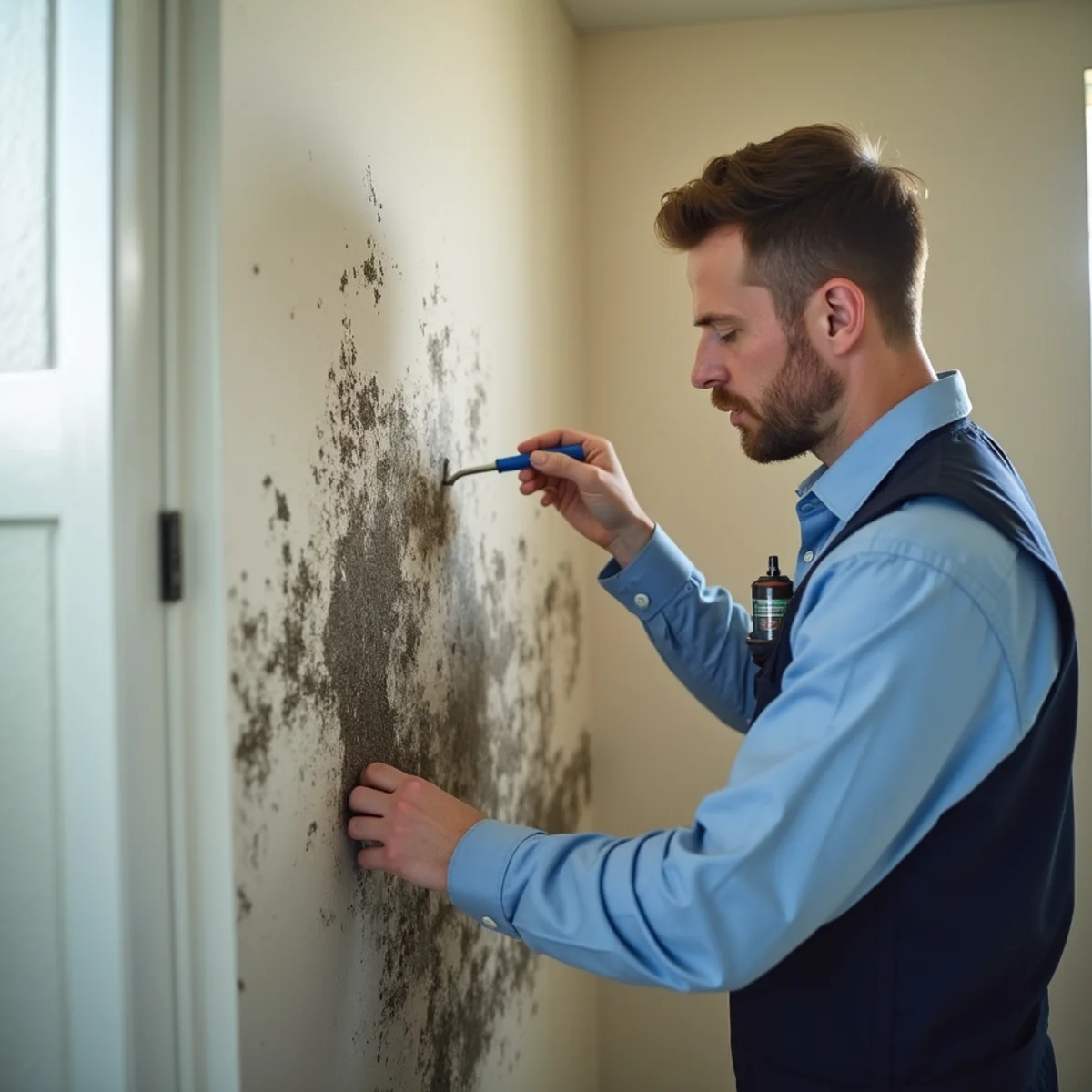
By 48 to 72 hours in a closed, humid space, visible growth can appear, especially on paper-faced drywall and in shaded, low-airflow spots like behind furniture or inside cabinets. After a week without proper drying, colonization is typically well established and often requires containment and remediation rather than simple cleaning.
- 10-12 hours: water absorbs and wicks into materials
- 212-24 hours: conditions become favorable for germination
- 324-48 hours: germination begins in unaddressed wet areas
- 448-72 hours: visible growth can appear in humid, low-airflow spots
- 51 week+: colonization often established, needs remediation
Why some spots turn faster than others
Not every wet material follows the same clock. Airflow matters enormously — a wet wall in a room with a fan or open window dries faster than the same wall behind a couch or inside a closed closet. Temperature matters too, since Roseville's hot summers can actually accelerate growth in unconditioned spaces like garages and attics, while cooler conditions slow it slightly.
Material type matters as well. Paper-faced drywall and particleboard are food sources mold can use directly, while solid wood and tile are more resistant, though moisture trapped underneath tile or behind baseboard can still feed growth in the substrate you cannot see.
How professional drying beats the window
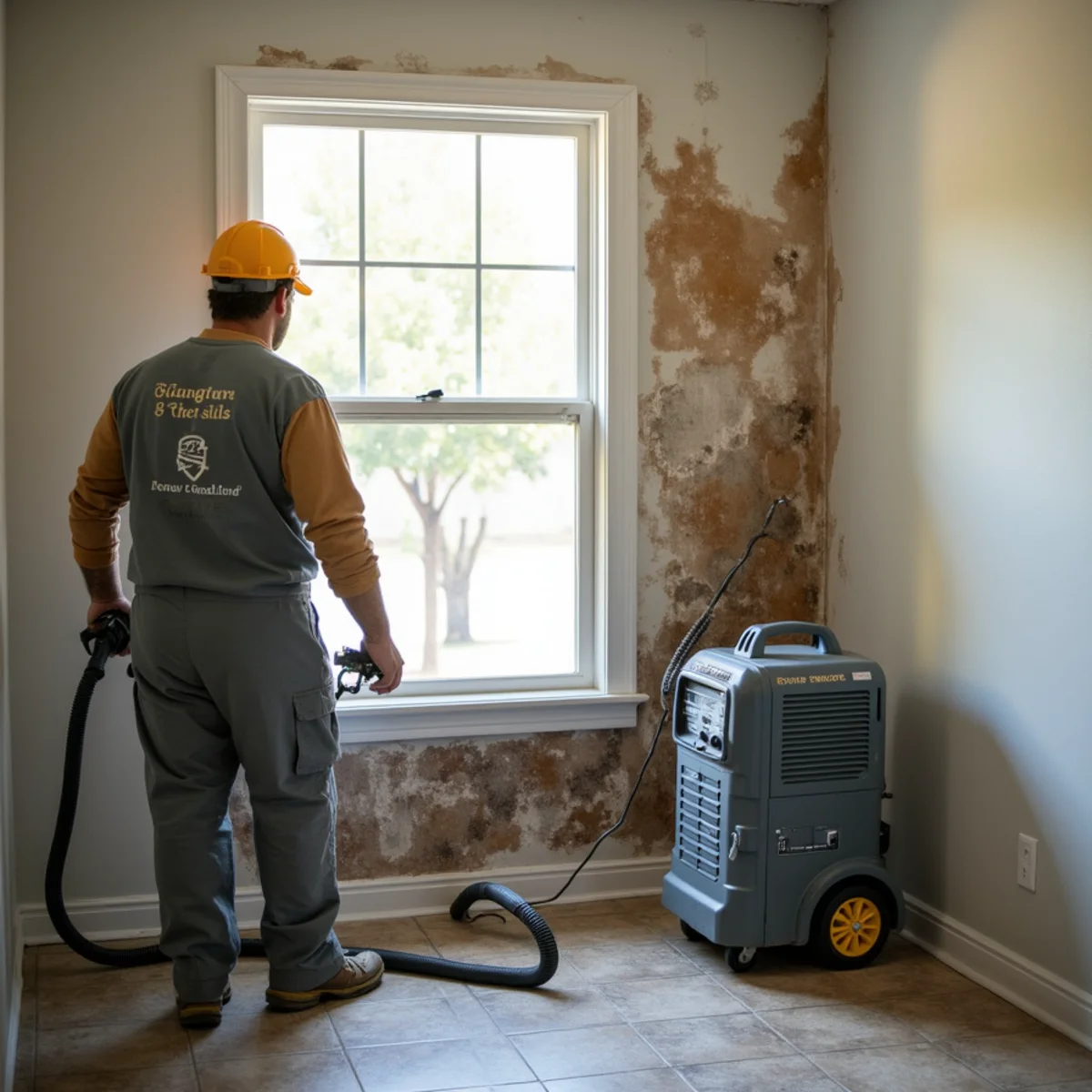
The whole point of fast extraction and structural drying is to pull moisture content down before the 24 to 48 hour window closes. We extract standing water immediately, then set air movers to create airflow across wet surfaces and industrial dehumidifiers to pull humidity out of the air itself, so materials give up moisture into dry air instead of sitting saturated.
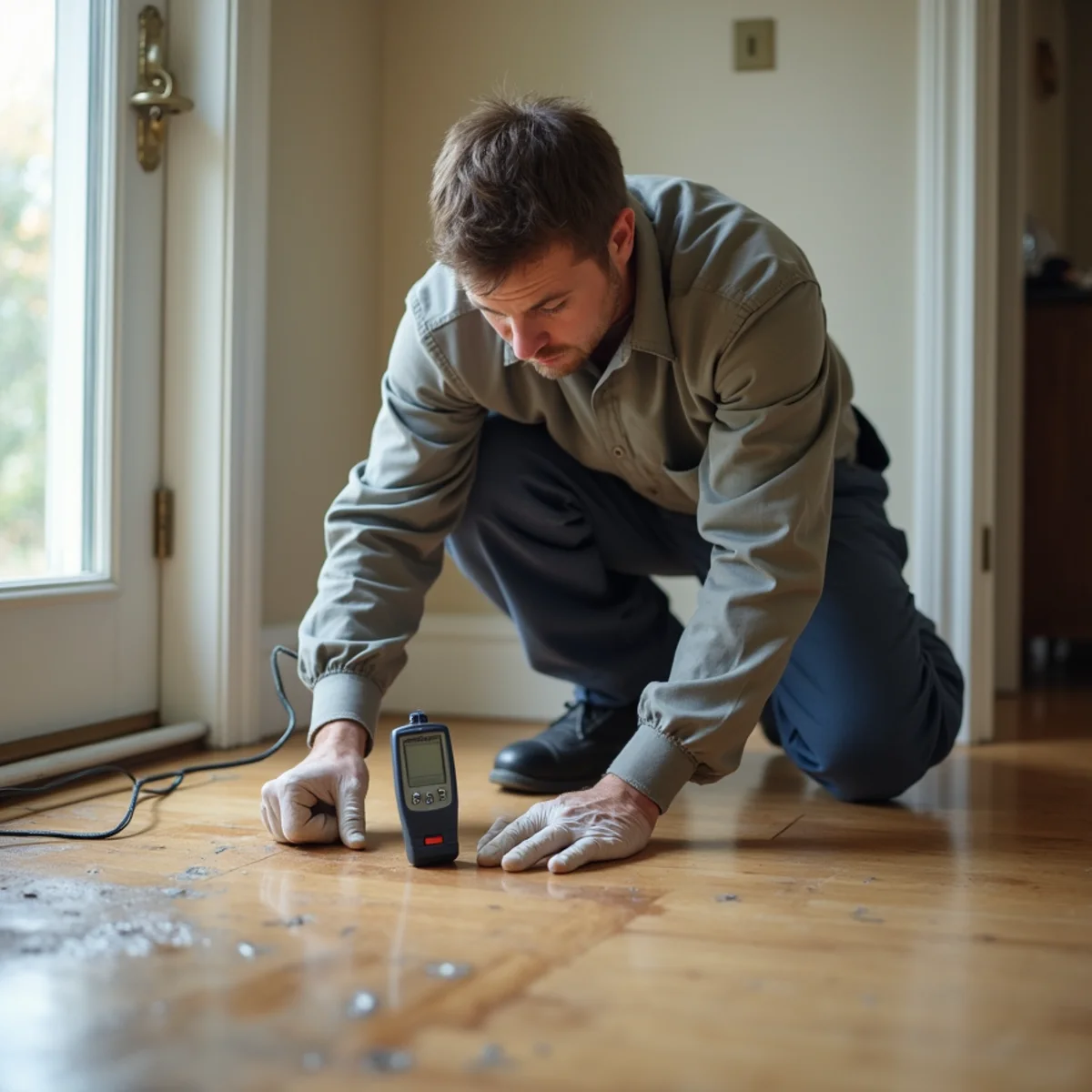
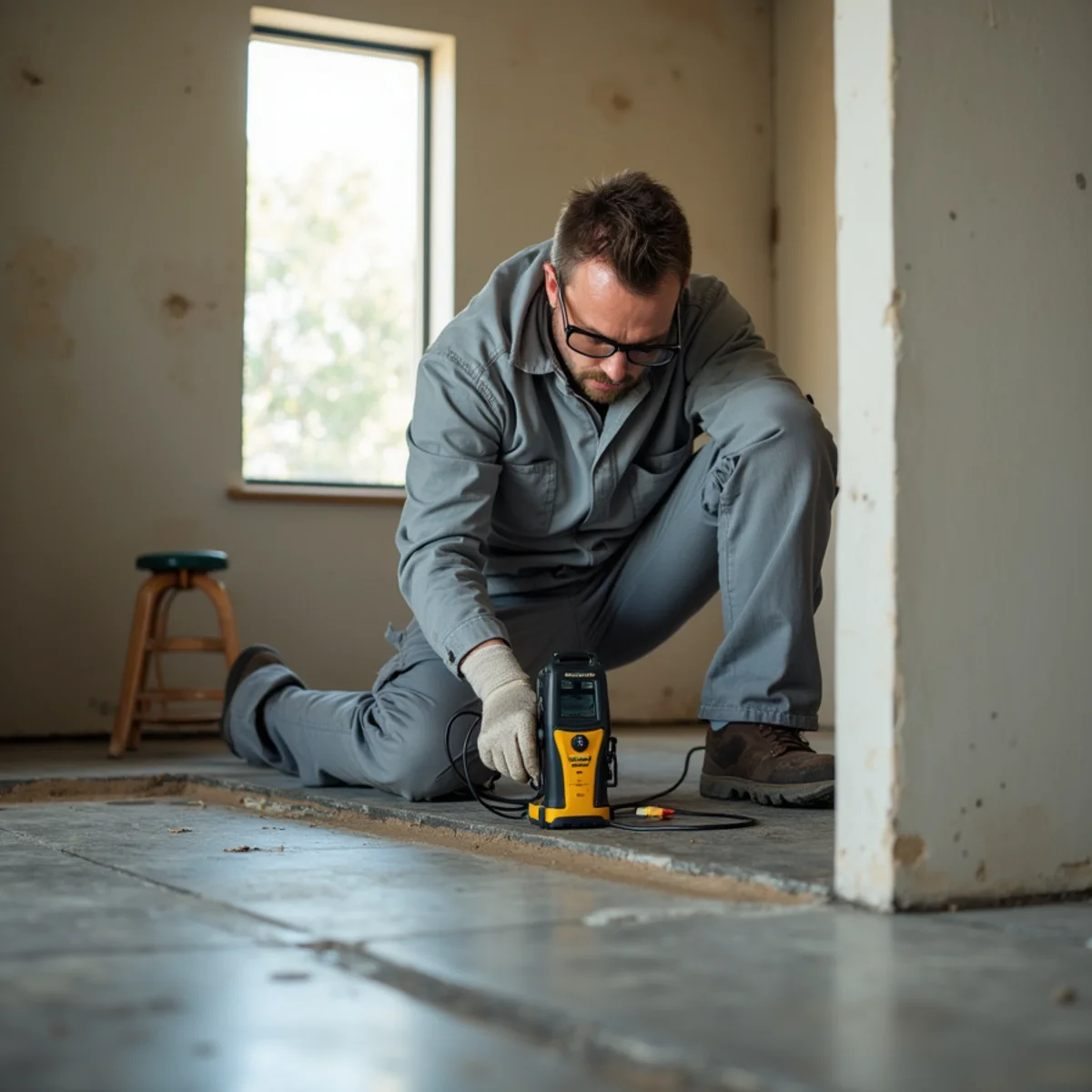
We track this with moisture meters, checking readings daily until materials return to a dry standard, not just until they look dry. A material can look dry on the surface while still holding elevated moisture inside — that is exactly the condition mold needs.
What to do in the first hours after you find water
If you catch water damage early, stop the source, extract what you can, and get airflow moving through the space immediately — open windows if outdoor humidity is lower than indoor, run fans, and call for professional drying rather than waiting to see if it dries on its own.
Structural drying on a typical residential loss usually takes three to five days with the right equipment in place. Waiting even a day or two to start that process meaningfully increases the odds you are dealing with a mold problem in addition to the original water damage.
If you can already smell it, growth has likely started
A musty, earthy smell is one of the first signs of active mold growth, often showing up before visible growth does. Treat it as a signal to investigate, not something to mask with air freshener.
What our moisture meters catch that a hand on the wall misses
A wall can feel dry to the touch and still be holding elevated moisture two inches up inside the cavity, which is exactly why we do not judge drying progress by feel. We check readings at multiple heights and depths, not just at the visible waterline, and we track them daily to see an actual drying trend rather than trust a single reading taken once. That data also drives an honest tradeoff: sometimes it is cheaper and faster to open a small, targeted flood cut and dry the cavity directly than to run equipment blind for a week hoping the number comes down on its own.
The mistake we see most is equipment getting pulled early because a room "smells fine" or "feels normal," when the framing behind the drywall is still reading wet. The reverse mistake costs money too — leaving equipment running well past the point two consecutive dry readings would have confirmed the job is done. Neither one is a guess we are willing to make; we let the meter say when a space is actually dry. We also factor in what is behind the visible material, not just the surface reading — insulation, subfloor, and framing all hold and release moisture at different rates, so two rooms with identical drywall readings can be at very different points in their actual drying curve depending on what is inside the wall.
- A wall that feels dry to the touch can still read wet inside the cavity
- We check moisture at multiple heights, not just at the visible waterline
- Equipment stays until two consecutive dry readings confirm it, not until the room feels or smells normal
Factors that speed up or slow down the clock in your house
Not every leak runs on exactly the same 24 to 48 hour schedule, and a few variables in a given house shift that window in one direction or the other. The category of water matters — sewage or gray water carries more contaminants and organic material that mold can use as a food source, so growth can establish faster on the same material than it would from a clean supply-line leak. Existing indoor humidity plays a role too, since a bathroom or laundry room that already runs damp shortens the runway compared to a dry, well-ventilated room catching the same amount of water.
Season and building materials matter as well, and both cut in specific ways here. Roseville summers push attic and garage temperatures well into the range mold favors, which can actually speed up growth in those unconditioned spaces even though the outside air is dry. Batt insulation holds moisture against the back of drywall far longer than an open, uninsulated cavity would, and a system that keeps circulating air from a wet room can spread spores to parts of the house nowhere near the original leak.
None of these factors change the basic math, though. The fastest way to beat all of them at once is still getting extraction and drying started within the first few hours rather than the first few days. A leak with every factor working against it that gets professional drying started immediately still generally beats a leak with every factor in its favor that sits untouched for three days.
- Category of water — sewage or gray water feeds growth faster than clean supply-line water
- Existing indoor humidity — an already-damp room shortens the runway
- Season — Roseville summer heat can accelerate growth in unconditioned attics and garages despite dry outside air
- Insulation type — batt insulation holds moisture against drywall backing longer than an open cavity
- Whether the HVAC keeps running — a system pulling air from a wet area can spread spores well beyond the original leak
Frequently asked questions
Small spills that get wiped up and dried quickly rarely reach the moisture levels needed for germination. The window matters most for water that soaks into carpet, drywall, or subfloor and is not actively dried.
A fan alone moves air but does not remove humidity from that air, so it can actually slow surface drying in an already-humid room. Dehumidification paired with airflow is what pulls moisture content down fast enough to beat the mold window.
A musty odor, visible discoloration, or moisture meter readings that stay elevated after a few days of drying are all signs. If any of those show up, the situation calls for mold assessment rather than continued drying alone.
Yes. We run extraction and structural drying to stop growth before it starts, and if mold is already present when we arrive, we scope and handle remediation as part of the same job.
Not inside a wet wall cavity. Once water is trapped in drywall, insulation, or subfloor, that pocket stays humid regardless of the dry Sacramento Valley air outside, and mold works on its own 24 to 48 hour clock. Fast professional drying is what beats it, not the weather.