Dealing with this right now? See our leak detection & repair coordination service, and we respond fast across Lincoln. Or call +1 (201) 277-9344 any time — we answer 24/7.
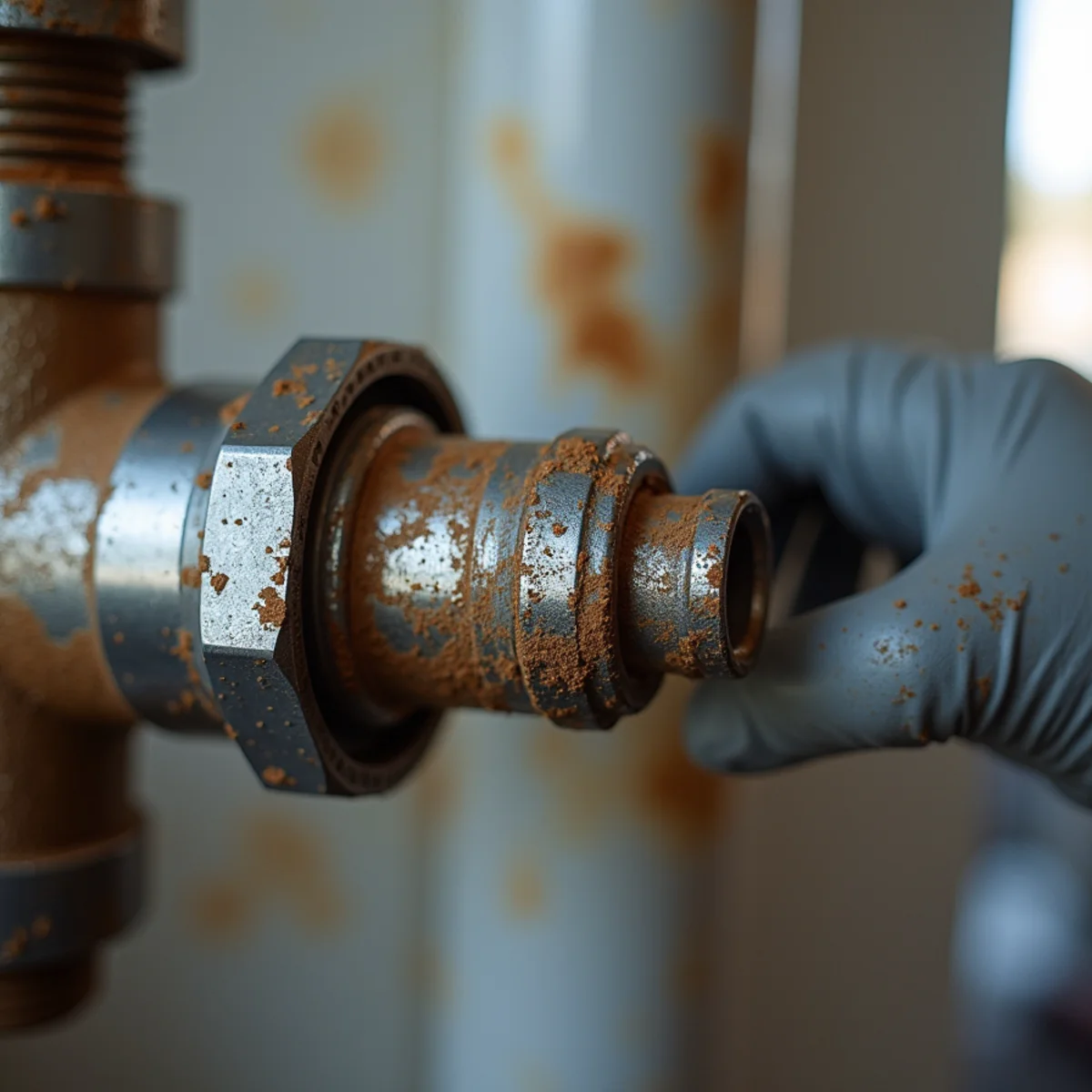
Most of the water damage jobs we run did not start with a burst pipe. They started with a slow drip nobody noticed for weeks: a supply line weeping behind a toilet, a dishwasher hose seeping into the cabinet base, a water heater sweating rust down its side. Sacramento Valley's hard water accelerates pinhole leaks in copper pipe, and a lot of Roseville's 1980s and 1990s slab-on-grade tract homes are now old enough that original supply lines and fixtures are hitting their first real repair cycle.
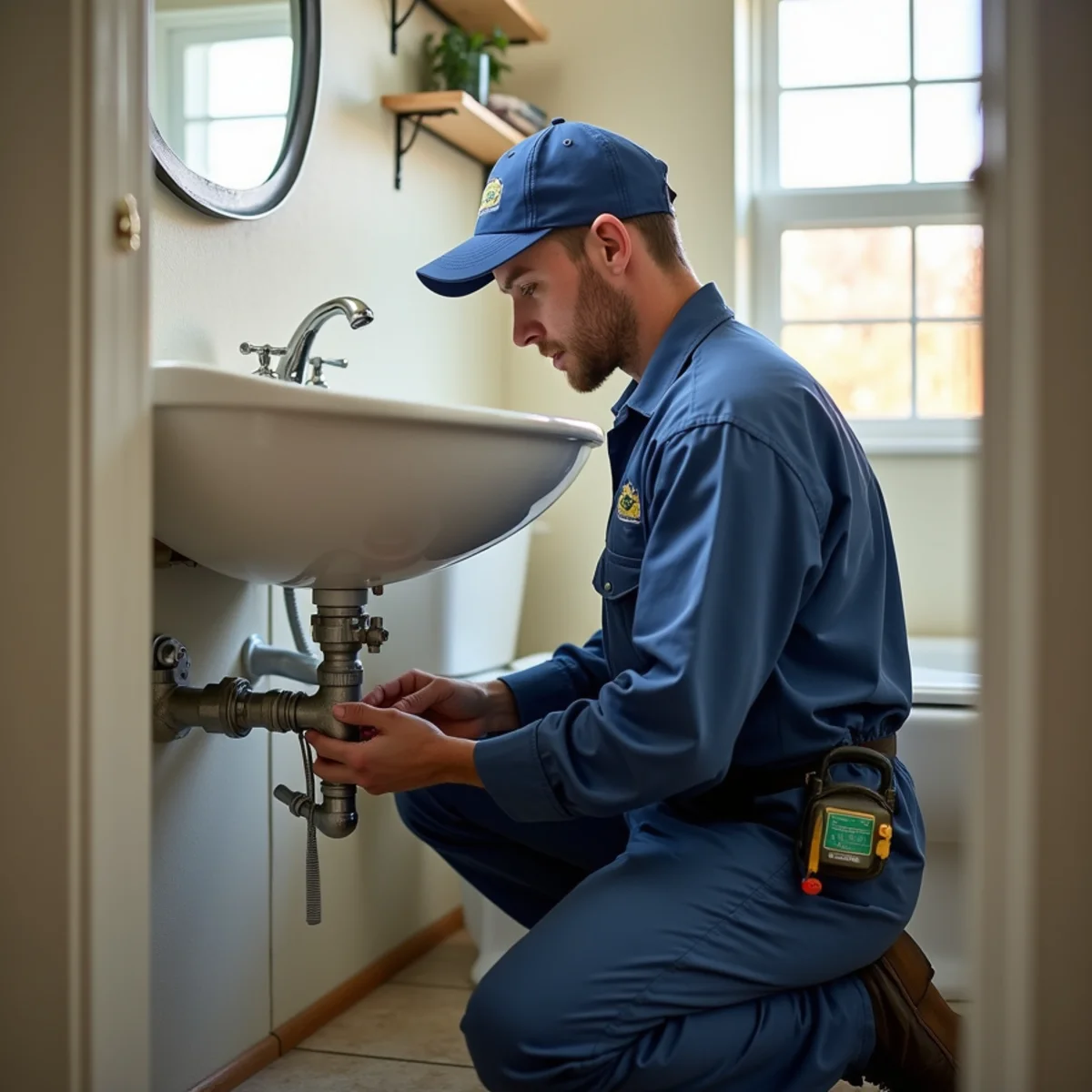
None of that requires expensive equipment to catch early. It requires ten minutes a month and knowing exactly where to look. This is the same walk-through route our techs use when they inspect a home, room by room, condensed into a checklist you can run yourself.
Why ten minutes beats any gadget
A moisture sensor or a smart shutoff valve is a good backstop, but most slow leaks announce themselves visually first, days or weeks before a sensor would trip: a slightly swollen cabinet floor, a faint mineral ring, a stiff hinge on a door that used to swing freely because the subfloor beneath it has started to warp.
The City of Roseville flags toilets and sprinkler systems as two of the most common leak sources in local homes, which matches what we see in the field. Both are easy to check and easy to ignore, since a running toilet or a soggy sprinkler valve box rarely looks like an emergency until it is one.
Kitchen: under the sink, the dishwasher, and the fridge line
Open the cabinet under the kitchen sink and look, then feel.
- Check the supply line fittings and shutoff valves under the sink for corrosion or a damp ring on the cabinet floor
- Pull the dishwasher's kick plate if accessible and look for pooling at its base
- Trace the refrigerator's water line back to its shutoff valve if you have an ice maker, and check the connection isn't seeping
- Press a fingertip into the cabinet floor near the drain trap; softness means moisture has already been sitting there
Bathrooms: toilets, supply lines, and the shower pan
Toilets are the single most common source we get called about. A worn wax ring, a hairline crack in the tank, or a supply line past its service life can leak steadily without ever overflowing.
- Rock each toilet gently at the base; movement usually means a failing wax ring
- Check the fill valve and supply line for mineral buildup or a slow drip
- Look at the caulk line where the shower pan or tub meets the wall and floor for gaps
- Feel the flooring around the toilet base and tub for any softness underfoot
Laundry room: hoses and the drain standpipe
Washing machine hoses fail more often than almost any other supply line in the house, mostly because they sit under constant pressure and get ignored for years. Pull the machine out a few inches if you can, and check both the inlet hoses and the drain hose where it feeds into the standpipe.
- Look for cracking, bulging, or a chalky residue on rubber hoses
- Confirm the drain hose is still secured inside the standpipe and hasn't worked loose
- Check the floor behind the machine for a faint water line or discoloration
Water heater and garage
Most Roseville homes keep the water heater in the garage, where a small leak can go unnoticed for a long time behind stored boxes. Check the base of the tank for rust streaks or a damp pan, confirm the seismic strap required under California Health and Safety Code §19211 is still snug, and glance at the temperature and pressure relief valve for drips.
Outside: hose bibs and sprinkler valves
Sprinkler valve boxes are easy to forget since they're buried in the yard, but a cracked valve or fitting can push water sideways under a slab for weeks before it ever shows up indoors. Check hose bibs for drips at the handle and open valve boxes after your irrigation runs to look for standing water that shouldn't be there.
HVAC condensate lines and other leaks people forget
Air conditioning condensate lines produce real volume during a hot Sacramento Valley summer, and a clogged condensate drain can back up into a secondary pan or overflow directly into an attic or a closet ceiling below the air handler. Check that the primary and secondary drain lines flow freely and that any float switch designed to shut the system down when the pan fills hasn't been bypassed or removed.
Water softener and filtration systems are another spot people forget, since they're rarely in a high-traffic area. Look at the brine tank connections and bypass valve for slow seepage, and check the floor beneath the unit for a faint stain that suggests a longer-running drip rather than a single spill.
- Check the AC condensate drain line and pan monthly during cooling season
- Confirm the float safety switch on the secondary pan hasn't been disabled
- Inspect water softener or filtration system fittings and the floor beneath them
What to do if you find something
A supply line failure is often a fast fix: shut the local valve, not necessarily the main, and call a plumber. But if you find water that has already reached drywall, flooring, or insulation, treat it as a restoration issue, not a repair issue. Clean water sitting for more than a day or two starts supporting mold growth, and what looks like a small stain can hide a much larger wet area behind it.
Slab leaks deserve a special mention here, since they rarely show up during a visual walk-through at all. A warm spot on the floor, a spike in your water bill, or the sound of running water when every fixture is off are the usual first clues. We use moisture meters and thermal imaging to map exactly how far water has traveled, above or below the slab, so nothing gets missed and closed back up wet.
What our crews check that homeowners usually miss
Most homeowners run through a leak check with their eyes and skip the two senses that actually catch a slow leak earliest: smell and touch. A musty smell in a cabinet or closet, even a faint one that's easy to explain away as the house settling, is one of the more reliable early signals we see, and it often shows up weeks before any visible stain or softness. If a spot in the house smells different than the rest of it, trust that over a quick visual scan.
The honest tradeoff with a true ten-minute inspection is that it's a surface-level check by design, and that's fine for a monthly routine, but it will miss anything happening behind an appliance or inside a wall. The mistake we see most is homeowners treating the monthly walk-through as a complete inspection rather than a screening tool. Pull the washer and fridge out fully at least once or twice a year rather than just glancing at the visible hose ends every month; that's where we find the leaks the quick version misses.
- A faint musty smell is often the earliest sign, well before a visible stain
- Pull appliances fully away from the wall once or twice a year, not just monthly glances at visible hose ends
- A stiff door or drawer that used to move freely can mean subfloor swelling before any staining shows
An annual deep-check to run alongside the monthly routine
The monthly ten-minute walk-through catches active drips and obvious wear. Once a year, it's worth pairing that with a slower pass that checks the things which fail on a longer timeline: angle stop valves that have never been turned, a water heater anode rod, irrigation valve boxes that only get opened during a check if you remember to lift the lid.
Pick a date that's easy to remember; a change in season or the same weekend you change smoke detector batteries works well, so the annual pass doesn't quietly slip a year or two.
- 1Turn every angle stop valve under sinks and toilets a quarter turn to confirm it still operates smoothly, and doesn't seize the one time you actually need it
- 2Flush a few gallons from the water heater's drain valve to check for heavy sediment, and inspect the anode rod if the unit is past year five
- 3Open every sprinkler valve box and check for standing water or a cracked fitting, not just the ones near the house
- 4Check the caulk seal around every tub and shower, not just the ones used daily
- 5Test the home's main water shutoff valve to confirm it still turns fully; a valve that's never been touched can seize shut exactly when you need it fastest
Frequently asked questions
Monthly is enough for most homes. If your house has hard-water staining, is over 20 years old, or you've had a leak before, check every two weeks for the first few months until you have a feel for what normal looks like.
Yes. A damp spot with no visible source usually means the leak is intermittent or upstream of where you're looking, often inside a wall or under a slab. We can trace it with moisture meters so you're not guessing or opening up drywall in the wrong spot.
A plumber stops the water. We deal with what the water already did: wet insulation, a damp subfloor, a cabinet base that's starting to swell. If either applies, call us alongside your plumber so drying starts the same day, not after the repair is scheduled.
Yes. Our leak detection service locates hidden leaks behind walls, under slabs, and in irrigation lines using non-invasive equipment, so we find the actual source before any drying or repair work starts.