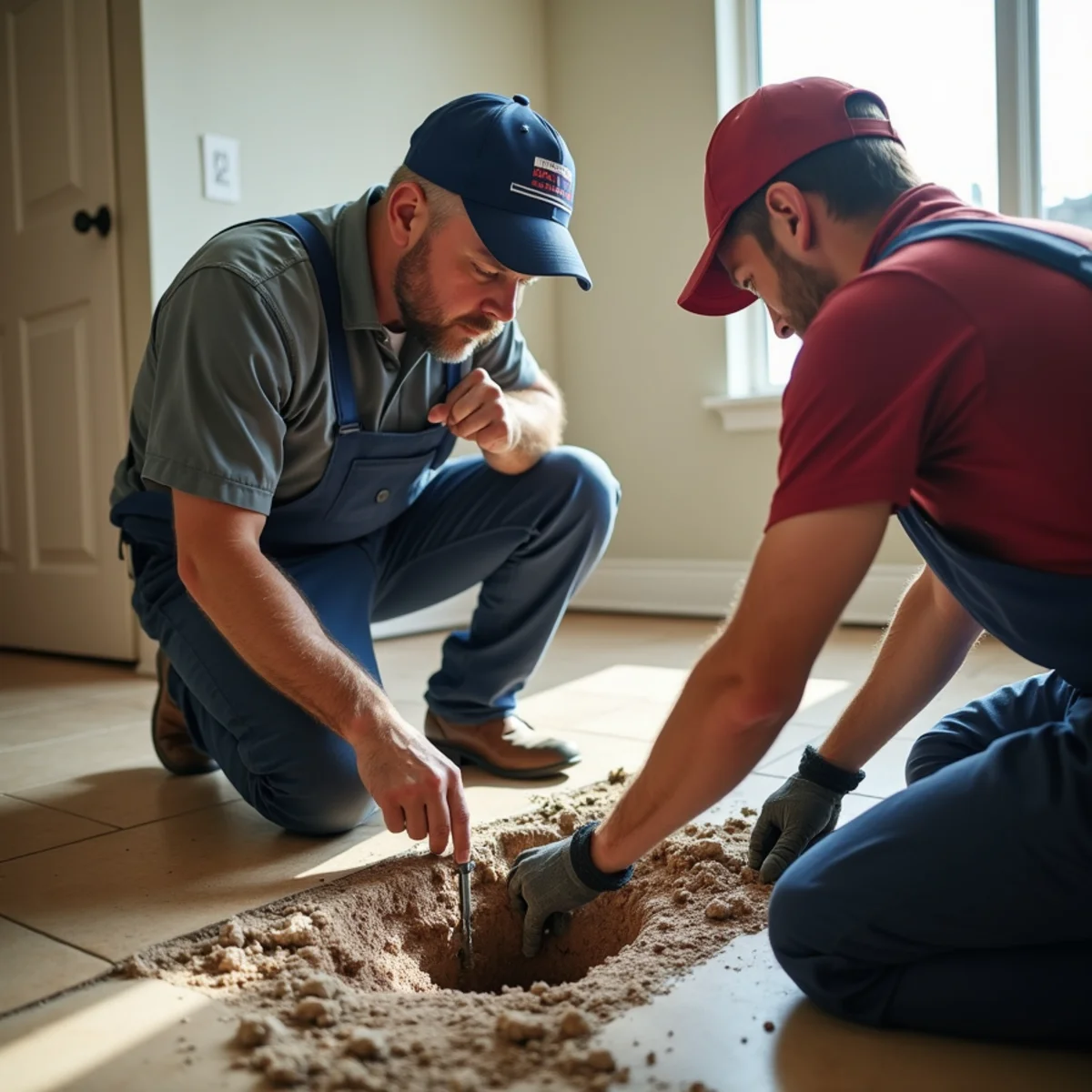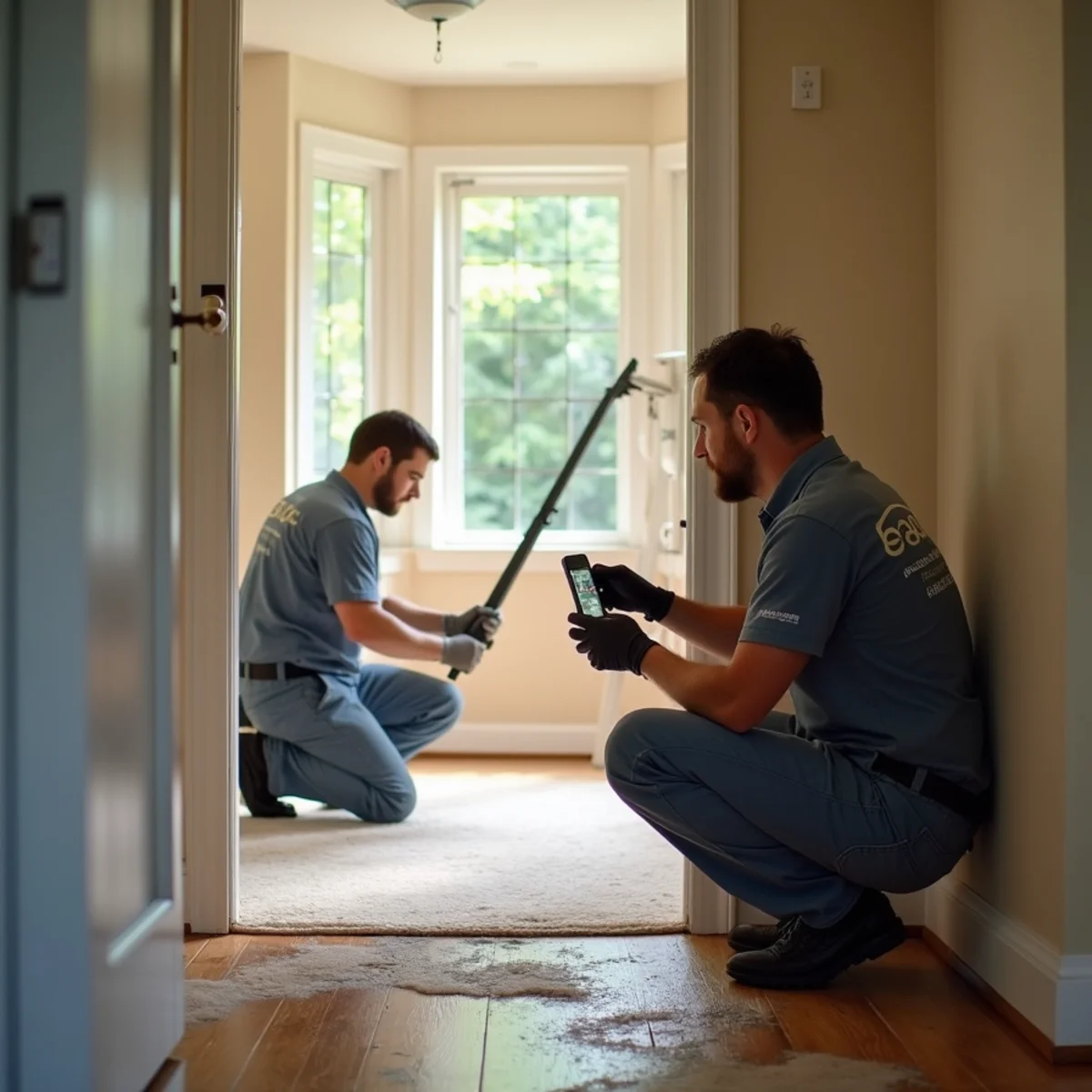

Dealing with this right now? See our water damage restoration service, and we respond fast across Placer County. Or call +1 (201) 277-9344 any time — we answer 24/7.
Ask five Roseville homeowners what their water damage restoration cost and you will get five different numbers. That is not a dodge, it is the truth. A toilet overflow that soaked one bathroom costs a fraction of a burst supply line that ran for six hours through two bedrooms and a hallway. Both fall under water damage restoration, and both prices are honest.
This guide breaks down what actually drives cost on a Roseville job: water category, square footage, how long the water sat, and what materials it touched. We will walk through the local range, what insurance typically covers, and why a written scope beats a phone quote every time.
The four things that set your price
Every restoration estimate we write comes down to four variables. Water category, clean supply-line water, gray appliance discharge, or black sewage water, sets the decontamination requirements. Square footage and how many rooms the water reached set the labor and equipment count. Dwell time, how many hours or days the water sat before anyone called, determines how far it wicked into drywall, subfloor, and baseboard. And material type, carpet and pad versus hardwood versus tile over slab, changes what can be dried in place and what has to come out.
Two Roseville homes with the same square footage of water can land on opposite ends of the cost range because one homeowner called within the hour and the other found the leak three days later.
What Roseville jobs typically run
Locally, restoration jobs run about $1,400 to $6,400, and the spread is real, not padding. A single bathroom with a clean-water toilet overflow, caught same-day, sits toward the low end: extraction, a few days of drying, and no material removal beyond maybe a section of baseboard.
A washing machine supply line that fails overnight and flows into a hallway, kitchen, and adjoining bedroom before anyone finds it climbs toward the middle and upper end, multiple rooms of flooring, wet drywall cut and removed at the flood line, and drying equipment running across a larger footprint. Category 3 losses, like a sewage backup, sit at the higher end because contaminated materials have to be removed and disposed of, not just dried.
Extraction and structural drying: the part insurance sees first
Extraction happens fast, pulling standing water out with truck-mount or portable extractors usually takes an hour or two per affected area. Drying is the part that takes days, not hours. We follow IICRC S500 drying standards: set air movers and dehumidifiers, then take daily moisture readings in framing, subfloor, and drywall until the structure reads dry, not just dry to the touch.
Most Roseville structures dry out in three to five days. Slab homes with water trapped under vinyl or laminate, or homes with dense material like plaster, can run longer. Every extra day of equipment on-site is a line item, which is one more reason dwell time before you call matters so much to the final number.
When the timeline slips and mold shows up
Mold does not wait for a claim to process. Given warm, damp material, it can start colonizing in as little as 24 to 48 hours. If a leak sat undetected for a few days before discovery, behind a water heater, under a slab, inside a wall cavity, mold remediation gets added to the scope.
That adds containment, air scrubbing, and remediation labor on top of the water mitigation work, which is the single biggest reason a job jumps from the low end of the range to the high end. Catching water fast is the cheapest mold prevention there is.
Materials, rebuild, and the parts homeowners forget to ask about
Mitigation, extraction and drying, is only half the job. Rebuild is the other half: replacing drywall that had to be cut out, baseboard, flooring, sometimes cabinetry toe-kicks or lower cabinet boxes that stayed wet too long. Carpet and pad are often replaced rather than dried if they sat in category 2 or 3 water.
Ask any contractor for a written, itemized scope that separates mitigation from rebuild, and ask whether pricing follows a standard estimating platform. That is how your adjuster reviews the number, and it is how you confirm you are not paying twice for the same square footage.
How your insurance policy changes what you pay
Most homeowners policies cover water damage that is sudden and accidental, a pipe that bursts, a water heater that fails, a supply line that lets go. They typically exclude damage from gradual leaks the homeowner could have caught earlier, like a slow drain pan leak ignored for months. Your policy language has the final word, so read the water damage section before you assume either way.
If the loss is covered, you are responsible for your deductible; we bill the remainder directly to your insurer. We document everything, photos, moisture logs, a written scope, because that paperwork is what gets a claim approved without back-and-forth.
Get a written scope before you commit to a number
Nobody should give you a firm price over the phone for water damage. Too many variables hide behind walls. What we can do fast is arrive, assess, take moisture readings, and hand you a written scope that breaks out extraction, drying days, and any rebuild, the same document your adjuster will want to see.
If you are staring at water in Roseville right now, call us before you call around for quotes. Every hour changes the number.
What our Roseville crews watch for on every estimate
The mistake we see most often is a homeowner picking the lowest number over the phone and finding out later it never included moisture mapping under the flooring. A quote that skips checking under vinyl, laminate, or hardwood looks cheaper on day one, then turns into a change order once a technician pulls a transition strip and finds the subfloor still wet. That second number almost always lands higher than if the job had been scoped correctly from the start.
There is a real tradeoff in equipment count too, and we are upfront about it. Running more air movers and dehumidifiers per room costs more per day, but it often finishes drying in three days instead of six, which can end up cheaper overall and cuts the window mold has to start. Fewer units stretched over more days is not always the bargain it looks like on a daily rate sheet.
- A firm total given before anyone measures moisture
- No mention of daily monitoring or moisture logs
- A scope that does not separate mitigation from rebuild
- No license or IICRC certification offered when you ask
The line items that catch homeowners off guard
A few cost drivers show up on almost every job that first-time callers do not expect. Water that reached a second story usually means the ceiling below has to come down too, plus insulation, and sometimes a light fixture box, since water traveling through a ceiling cavity rarely stops at the drywall it first touched. We see the same swings in Rocklin jobs as we do in Roseville, the driver is the layout and materials, not the city line. Contents pack-out, boxing and storing furniture and belongings so drying equipment can run unobstructed, is another line item that is easy to forget when picturing a bathroom overflow.
A few more factors move the number further in either direction, and it helps to ask about them before work starts:
- Hardwood floors: specialty drying mats and monitored humidity add cost but can save a floor that would otherwise need replacement
- Older homes: pre-1980s materials sometimes require asbestos testing before any demolition, adding a short delay and a testing fee
- After-hours calls: nights and weekends carry a standard emergency dispatch rate, same as any 24-hour service
- Condo or HOA units: coordinating access and shared-wall repairs can add scheduling steps a standalone house does not have
Frequently asked questions
Because the price depends on what we find once we are inside, how far water traveled, what it touched, and how long it sat. We give firm numbers after a walkthrough and moisture readings, not before. It is the only honest way to quote a water damage job.
That covers most residential jobs we see in Roseville, from a single-room clean-water loss to a multi-room category 2 or 3 event with some rebuild. Large losses with extensive mold or structural rebuild can run higher, which is exactly why we scope in person.
If the cause is sudden and accidental and covered under your policy, insurance typically pays the mitigation and repair cost minus your deductible. We bill your insurer directly and provide the documentation they require.
Yes. Dwell time drives how far water spreads and whether mold enters the scope. A same-day call usually means less material removal and fewer drying days than a leak discovered three days later.