Dealing with this right now? See our sewage cleanup & backup removal service, and we respond fast across Downtown Roseville. Or call +1 (201) 277-9344 any time — we answer 24/7.
The bowl fills, keeps filling, and spills over the rim onto the bathroom floor. Your first instinct is probably right - stop it fast. But there is a second question that matters just as much: is this a simple clog, or is it sewage backing up from somewhere further down the line? The steps you take next, and how much you should touch the water yourself, depend on the answer.
This guide covers both. First, how to stop an overflow in the moment. Then, the signs that tell you this is not a do-it-yourself cleanup and it is time to call a restoration crew instead of reaching for a mop.
Stop the water first
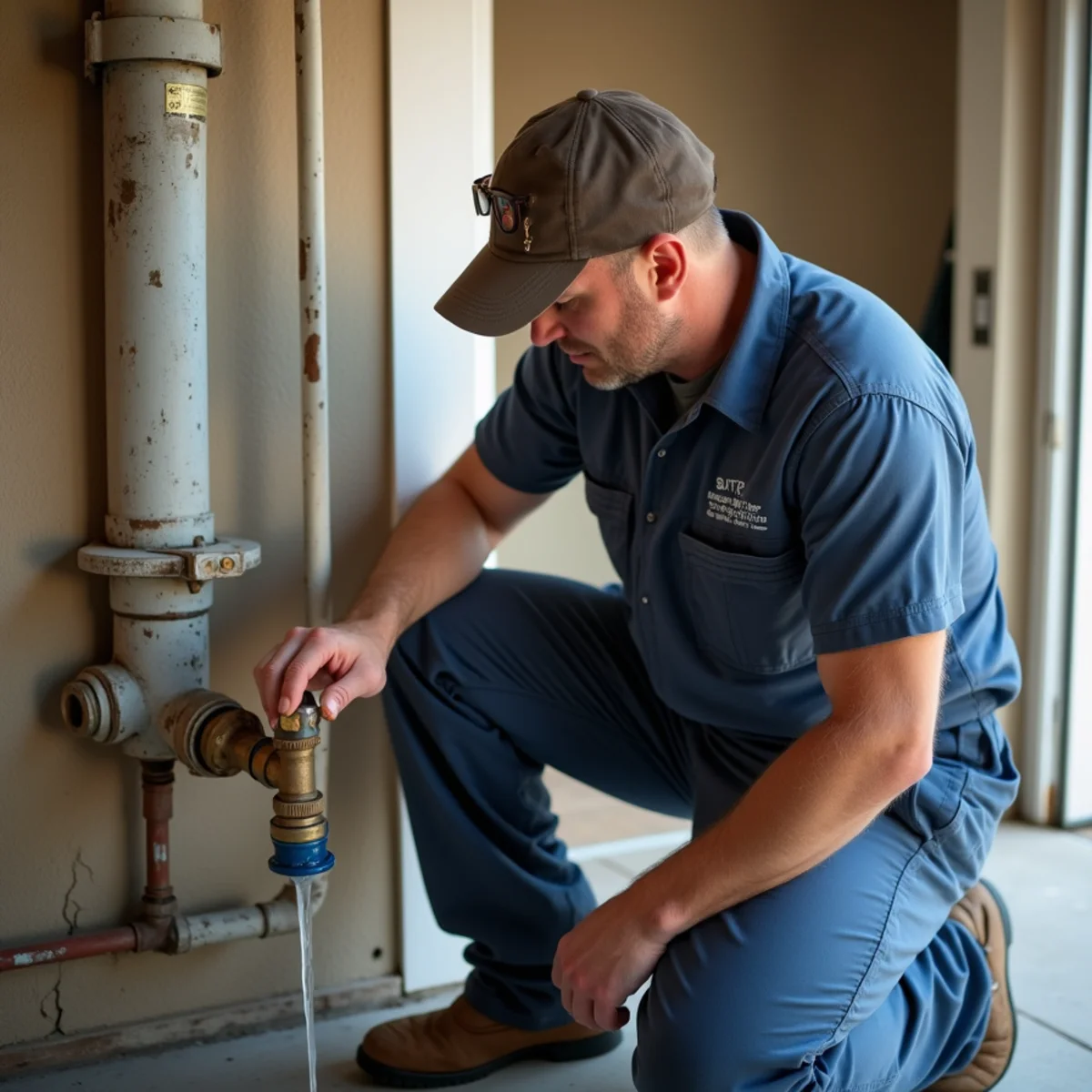
Reach behind the toilet and find the small oval shutoff valve on the wall or floor, on the water line running into the base of the tank. Turn it clockwise until it stops. This cuts the supply immediately and is faster than trying to jiggle the flapper or lift the float inside a rising tank.
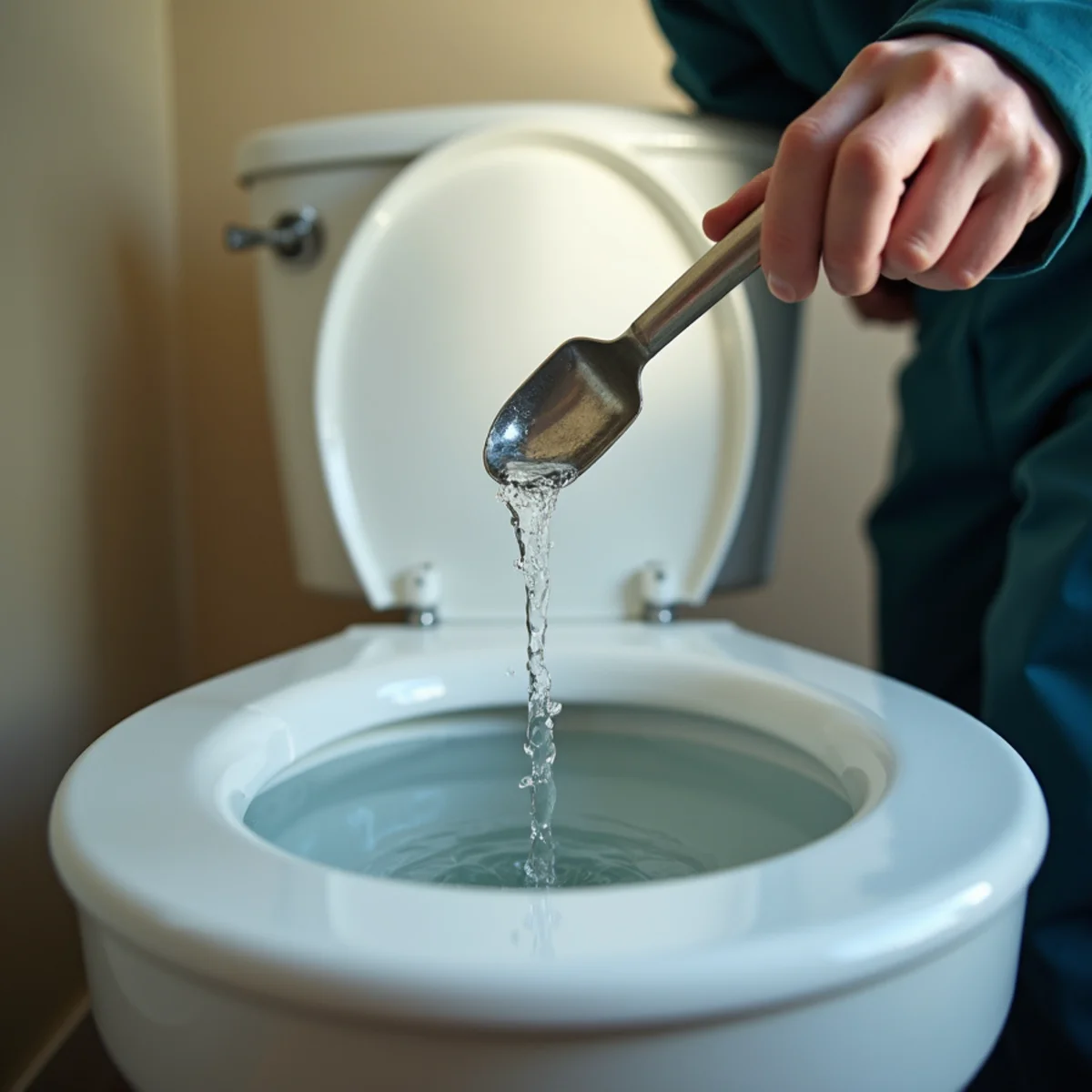
If you cannot locate that valve or it is stuck, take the lid off the tank and lift the float ball or cup by hand to stop water from refilling the bowl. That buys you time until you can reach the shutoff or the home's main valve.
- 1Turn the shutoff valve behind the toilet clockwise
- 2If stuck, lift the tank float by hand to stop the refill
- 3Stop flushing - every flush adds more water to an already-overwhelmed bowl
A simple clog looks and smells like this
If the water is clear or lightly discolored, has no strong odor, and this is the only fixture backing up, you are most likely dealing with a straightforward clog in the toilet trap or the branch line just past it. That is a plunger-and-towels situation, and a licensed plumber can usually clear it quickly.
A sewage emergency looks and smells like this
Sewage backups have distinct warning signs, and they change how you should respond. If the water is dark, cloudy, or has solid waste in it, if there is a strong sewage odor, or if water is backing up from multiple drains at once - a shower drain gurgling, water rising in a nearby floor drain, or another toilet also acting up - this points to a blockage further down the main line, not just this one fixture.
That water is Cat 3, the most contaminated category under IICRC classification. It can carry bacteria, viruses, and other pathogens. Do not touch it with bare hands, do not try to mop it up with household towels you plan to reuse, and keep kids and pets out of the room.
- Dark, cloudy water or visible solid waste
- Strong sewage smell in the bathroom
- Multiple drains backing up at the same time
- Gurgling sounds from other fixtures when this one flushes
What to do once you have identified a sewage backup
Close the bathroom door if you can do so without wading through the water, and stop using any water in the house - running a washing machine or another toilet can push more sewage back up through the compromised line. Call us at +1 (201) 277-9344. We handle sewage cleanup as a specialty, with the containment, PPE, and disposal protocols that Cat 3 water requires.
Do not run a household wet-dry vac through raw sewage and then use that same vacuum for anything else in your home afterward - contamination spreads on equipment just as easily as it spreads on floors.
Why Roseville homes see this more than people expect
The City of Roseville notes toilets and sprinkler systems among the most frequent sources of residential water loss, and tree-root intrusion into older sewer laterals is a recurring cause of backups across many neighborhoods. Root systems find hairline cracks in clay or older PVC lines and grow into them over years, gradually narrowing the pipe until a backup happens with little warning.
Homes near mature trees, particularly older streets in and around downtown Roseville, tend to see this more often than newer subdivisions with younger landscaping. If your home has had a slow-draining toilet or gurgling drains for weeks before a full backup, that is usually the pipe narrowing gradually, not a sudden, unrelated event.
What our crew does on a sewage call
We extract the contaminated water, remove porous materials that cannot be safely disinfected - often baseboard, drywall a few inches up, and sometimes flooring - and clean and disinfect everything that can be saved. We follow IICRC S500 protocols for Cat 3 water the entire time, then run structural drying and verify with moisture readings before we call it done.
We are CSLB-licensed and insured and bill your insurer directly for covered work, documenting the loss with photos and a written scope your adjuster can use. We also recommend a plumber's camera inspection of the lateral line once cleanup is finished, so the root cause gets addressed and not just the water.
When in doubt, call
If you are unsure whether it is a simple clog or a sewage backup, call +1 (201) 277-9344. We would rather answer a question over the phone than have you handle contaminated water without knowing it.
What our crews watch for on toilet and sewage calls
The most common mistake we see is aggressive, repeated plunging after the early warning signs of a main-line blockage are already there. Plunging is the right move for a genuine toilet-trap clog, but once you notice gurgling from other drains or slow performance in more than one fixture, plunging harder just pushes pressure into a line that is already struggling, and it can force a backup out of a lower, harder-to-reach fixture like a shower drain or floor drain instead of solving anything.
There is also an honest tradeoff around enzyme drain treatments people buy as prevention. They genuinely help break down organic buildup - grease, hair, soap scum - in an otherwise healthy line. What they do nothing for is a root that has grown into a cracked or separated pipe joint. If backups keep happening no matter how consistently you treat the drains, that is a sign you are dealing with a structural issue, not a buildup issue, and only a camera inspection tells you which one you actually have.
One quick check we ask every caller to do before we arrive, if it is safe: flush a different toilet in the house once and watch what happens. If the second toilet also rises or gurgles, you already know this is a main-line issue rather than something isolated to the first fixture, and that tells you to stop touching the water and wait for us instead of continuing to work on the original toilet.
When one backup turns into a pattern
A lot of families call us the first time thinking it was a one-off - a lot of paper, an unlucky flush - and then it happens again two or three more times over the following year before anyone gets the lateral line inspected. Each of those calls costs money and disrupts a bathroom, and the underlying pipe issue does not improve on its own between events; root systems and pipe cracks only get worse with time.
It is worth paying attention to timing, too. A marginal lateral that is narrowing from root intrusion often backs up more readily during Roseville's wetter months, when saturated soil adds pressure around an already-compromised pipe. If your backups seem to cluster around storm season rather than happening at random, that is a useful detail to mention to a plumber doing the camera inspection.
If you do call a plumber for a camera inspection, expect them to run a flexible camera down the cleanout access point near the edge of the house, not through the toilet itself. It typically takes under an hour, and a good report tells you not just where the problem is but roughly how far the intrusion or damage has progressed, so you can decide between a spot repair and a longer-term relining or replacement.
- More than one backup in a 6- to 12-month span
- Slow drains in multiple fixtures at once, not just the toilet
- Backups that seem to follow heavy rain
- Gurgling that happens even when nothing is being flushed
- A home older than roughly 30 years with clay or original PVC laterals and mature trees nearby
Frequently asked questions
If it is clear water from a simple clog and confined to a small area, yes - towels and a mop are fine. If the water is dark, smells like sewage, or other drains are backing up too, stop and call us instead. That water carries contamination that regular cleaning does not address.
That usually means the blockage is in the main line downstream of both fixtures, not just in the toilet itself. Water backing up through multiple drains is a strong sign of a sewage emergency rather than a simple toilet clog.
Not always, but porous materials like carpet, carpet pad, and drywall that absorbed Cat 3 water usually cannot be safely disinfected and need to be removed. Hard surfaces like tile and sealed concrete can often be cleaned, disinfected, and kept.
We treat sewage calls as emergencies and target a 60-minute arrival across Roseville, 24/7. Call +1 (201) 277-9344 and keep everyone away from the contaminated area until we arrive.