Dealing with this right now? See our hardwood floor water damage service, and we respond fast across Downtown Roseville. Or call +1 (201) 277-9344 any time — we answer 24/7.
When a supply line lets go or a dishwasher overflows onto a hardwood floor, the first question almost everyone asks is the same: is the floor ruined, or can it be saved? The honest answer is that it depends — but far more often than people expect, a wood floor can be saved if the right things happen in the first day or two.
What tips a floor from saveable to replacement is rarely the water itself. It is time, the type of flooring, and how clean the water was. Here is how those three factors play out, what the cupping and buckling you are looking at actually mean, and the one common mistake that turns a rescuable floor into a tear-out.
The first 24 to 48 hours decide most of it
Wood absorbs water slowly and gives it back even more slowly, so a floor that just got wet is usually still mostly intact — the damage compounds as the water sits. Boards swell, the subfloor underneath soaks through, and the longer that goes on, the more likely the warping becomes permanent and the more likely mold starts growing where you cannot see it.
This is why the biggest predictor of whether a floor survives is simply how fast real drying begins. A floor with professional drying equipment on it within a day often flattens back out. The same floor left to air-dry over a week, with the windows open and a box fan running, usually cups for good.
Cupping, crowning, and buckling: what you're looking at
The shape the floor takes tells you a lot about where it stands.
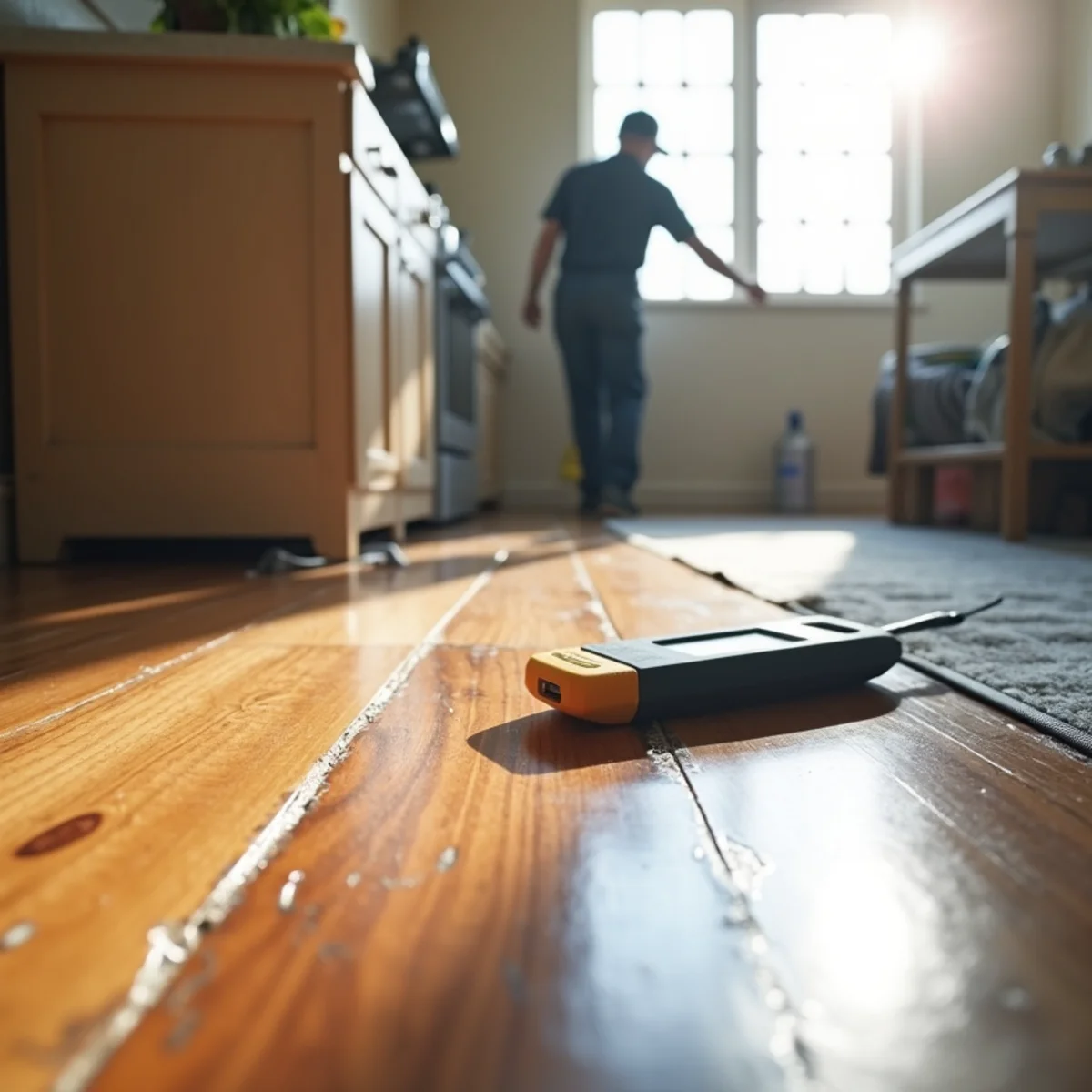
- Cupping — the edges of each board are higher than the middle, so the floor feels like a washboard. It is the most common water-damage shape and the most recoverable, because it usually means the wood is wetter underneath than on top and can be dried back flat.
- Crowning — the middle of the board is higher than the edges. This usually happens later, after a floor dried unevenly or was sanded before it was fully dry. It is a warning sign more than a starting point.
- Buckling — boards have lifted completely off the subfloor. This is the severe end, and buckled sections are usually replaced rather than dried.
If your floor is wet right now, do this first
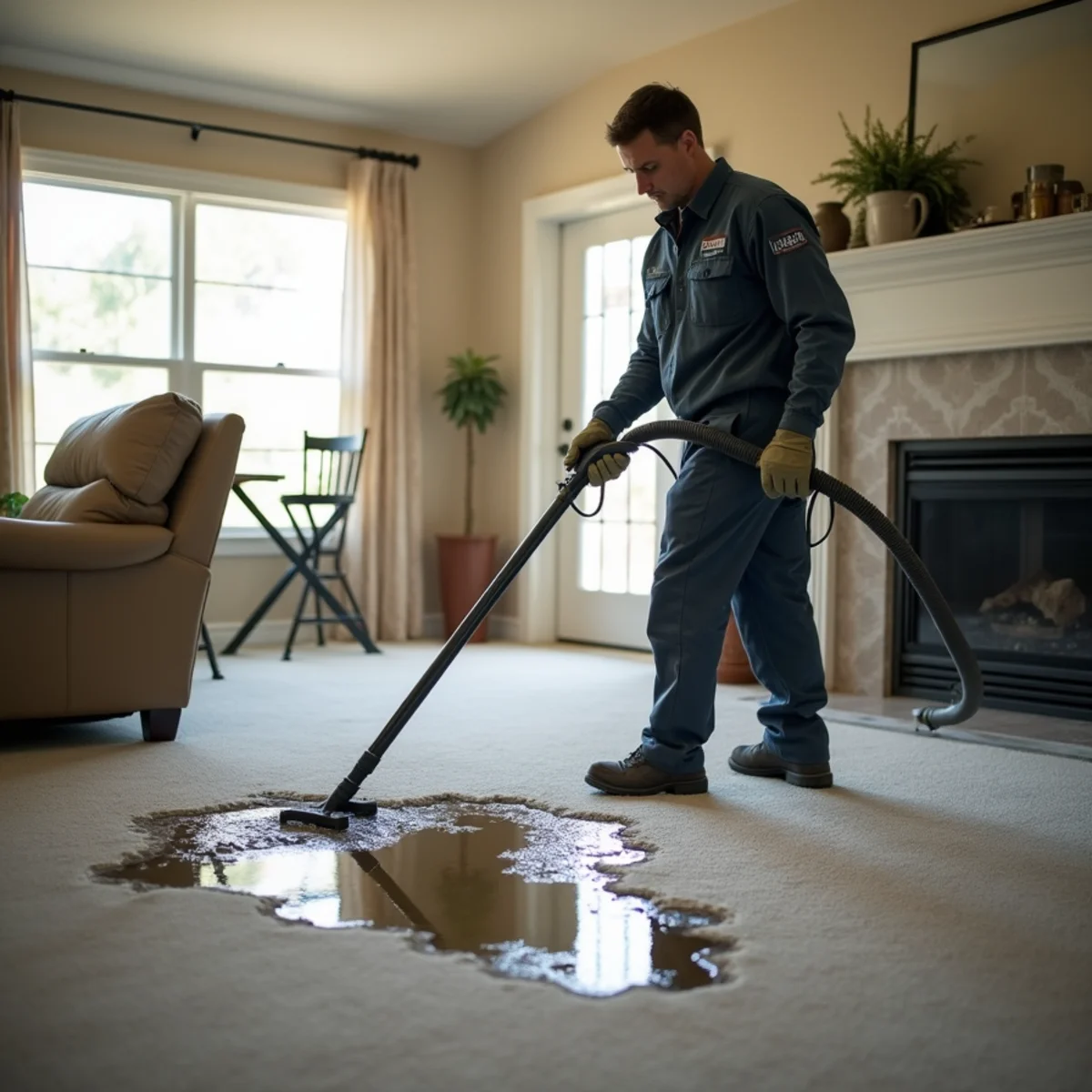
While you are arranging help, a few minutes of the right moves protects the floor. Stop the water at its source, then get standing water off the surface with towels or a wet/dry vac so less of it soaks down into the boards. Lift rugs, furniture, and anything with metal or stained-wood feet off the wet area — both leave marks on hardwood within hours. Open a window and run a fan to get air moving.
Just as important is what not to do. Do not turn the heat up to dry it faster — uneven, forced drying is exactly what sets a cup permanently. Do not lay plastic or rugs back over damp wood, which traps moisture, and do not sand or refinish anything yourself until the wood is verified dry. The floor you are tempted to fix today is the one most likely to be saved if the right drying starts quickly instead.
Solid vs. engineered is the single biggest factor
Before anything else, it helps to know which floor you have. Solid hardwood is a single piece of wood top to bottom; it swells and dries predictably and can be sanded and refinished, sometimes several times across its life. That makes it the better candidate for a save.
Engineered flooring is a thin layer of real wood bonded over plywood or fiberboard. When that core gets wet it swells and the glue line can delaminate, and the wear layer is usually too thin to sand flat again. Laminate — which has no real wood at all, just a printed layer over fiberboard — swells and is almost always a replacement once it is soaked. If you are not sure what you have, the edge of a floor vent or a threshold usually reveals the layers.
Why you can't just rent fans and a dehumidifier
The instinct is to aim fans at the floor and wait. The problem is that the finish on top and the density of the wood block evaporation from above — the water is trapped underneath, in the back of the boards and the subfloor. Blowing air across the surface dries the room, not the floor.
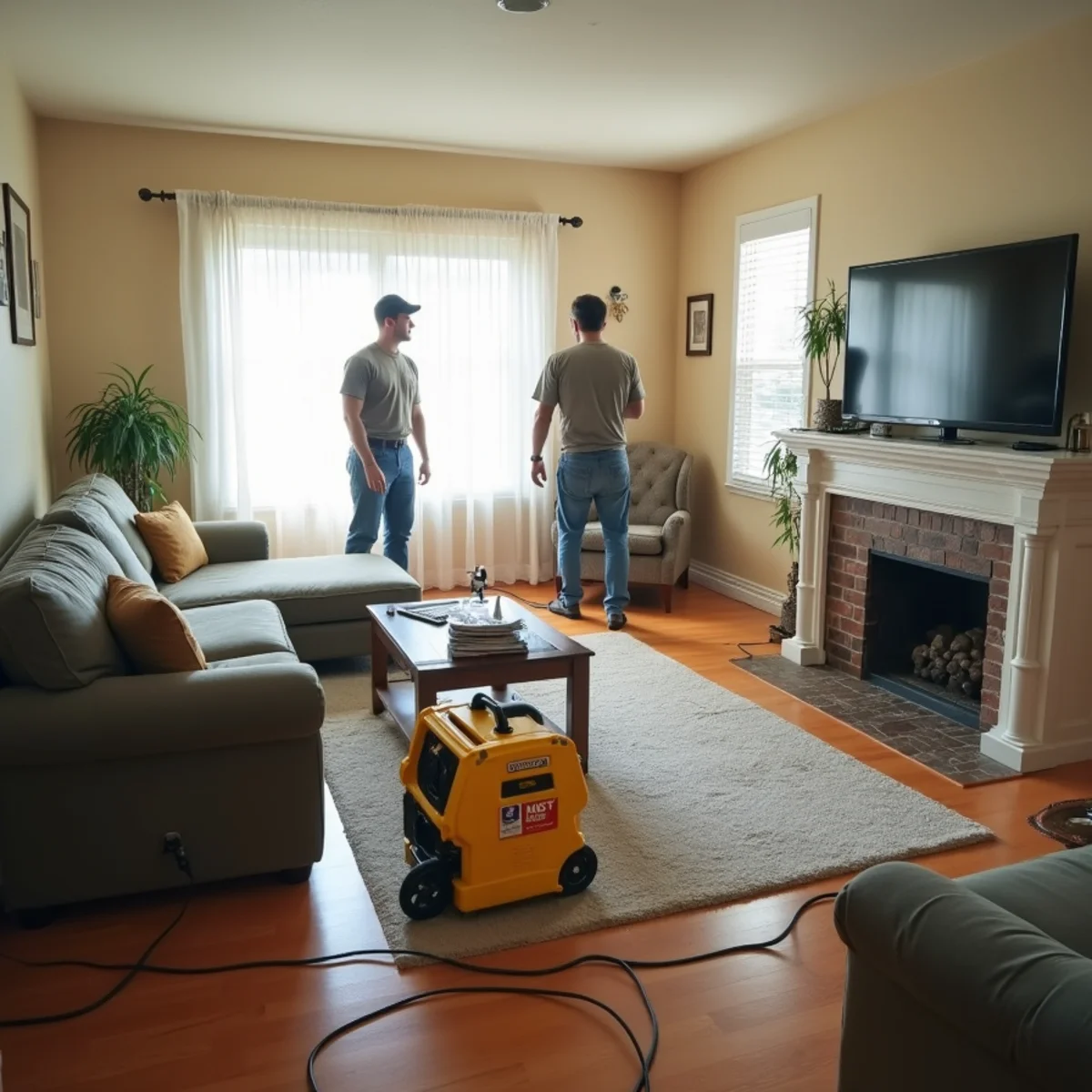
Saving a wood floor takes specialized mat or panel drying systems that seal to the surface and pull moisture up through the boards under negative pressure, along with dehumidification and daily moisture-content readings to know when the wood has actually reached a dry target. That equipment is the difference between a floor that flattens and one that keeps its cup.
The mistake that ruins a save: sanding too early
If there is one thing that turns a recoverable floor into a replacement, it is refinishing it before it is fully dry. A cupped floor often looks ready to sand once the surface feels dry, but if the moisture underneath has not come out, sanding it flat now means that as the rest of the water finally leaves, the center of each board rises — and you get crowning, which is harder to fix than the cupping you started with.
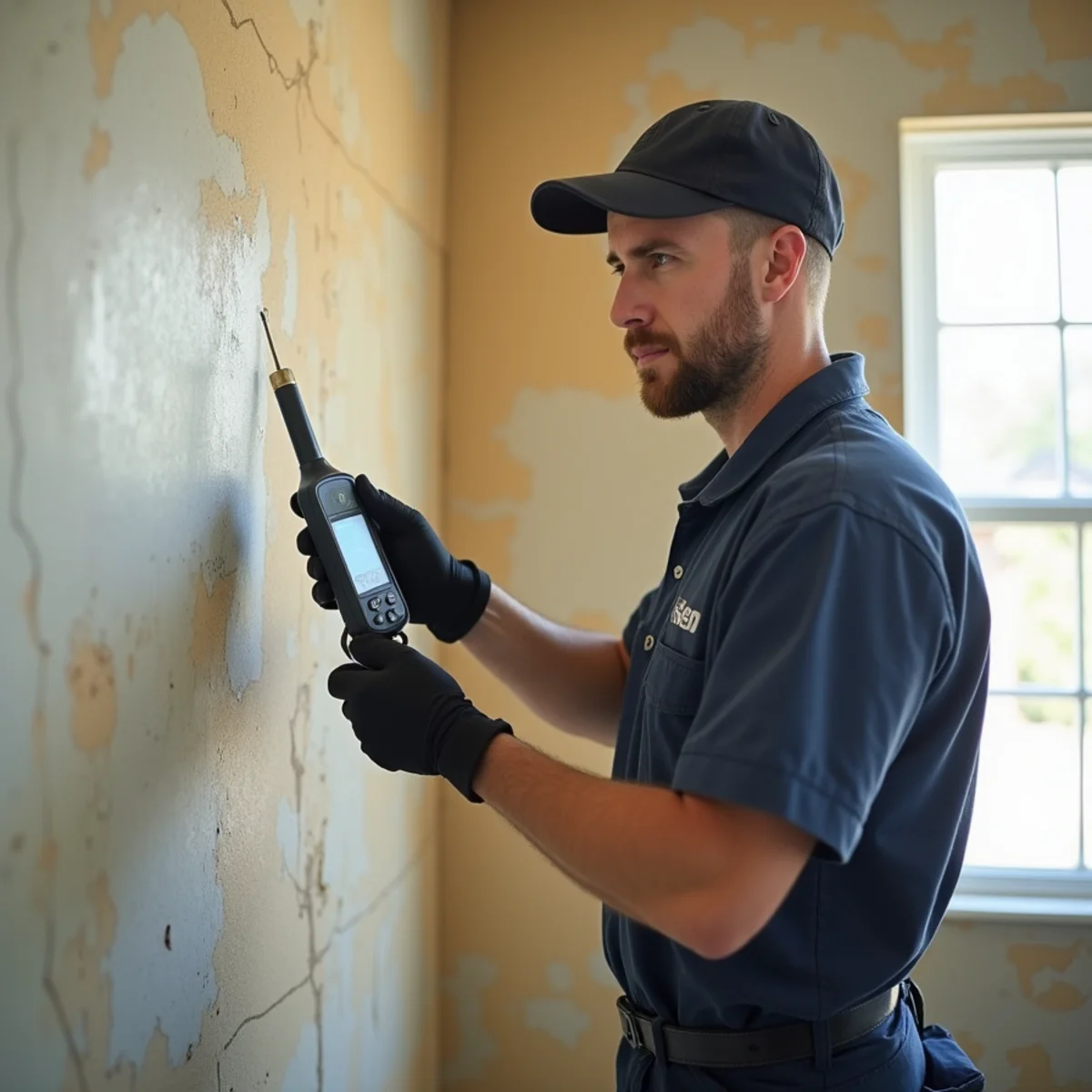
The right sequence is always dry first, verify with a meter, then refinish. We wait until the wood's moisture content matches the home's unaffected flooring before anyone touches it with a sander. Rushing that step is how a floor gets ruined twice.
Refinish, partial replace, or full replace
Once a floor is dry and flat, what it needs falls into a few buckets. A floor that dried with only minor finish damage may need just a screen-and-recoat. One with surface staining or light cupping memory usually needs a full sand-and-refinish. Sections that buckled, delaminated, or were under contaminated water get replaced — and because matching old hardwood can be tricky, we feather in replacement boards and refinish the area together so it blends. The goal is a floor that looks like the water never happened, not a patch you can spot from the doorway.
Frequently asked questions
Sometimes slightly, but usually not all the way, and waiting is risky. A cupped floor dried quickly and evenly with professional equipment often relaxes back close to flat and needs only a recoat or light sanding. Left to dry on its own, the uneven drying tends to lock the cup in — and can grow mold in the subfloor underneath while you wait.
Look at an exposed edge — at a floor vent, a threshold, or where the flooring meets a different surface. Solid hardwood shows the same grain all the way through the board. Engineered flooring shows a thin top layer of wood over visible plywood-style layers. Which one you have is the biggest factor in whether the floor can be dried and refinished or needs to be replaced.
The clock matters in hours and days, not weeks. Drying that starts within the first 24 to 48 hours gives the best odds of saving the floor; past a few days, cupping tends to set permanently and mold risk in the subfloor climbs. If you cannot get professional drying going immediately, pulling standing water and getting air moving helps, but it is not a substitute for mat-system drying.
Sudden, accidental water — a burst line, a failed appliance, an overflow — is typically covered by a standard homeowners policy, and the drying and refinishing can be part of that claim. Slow leaks that went unaddressed are often excluded. Documenting the cause and the moisture readings from the start is what keeps the claim on solid ground.