Dealing with this right now? See our leak detection & repair coordination service, and we respond fast across South Roseville. Or call +1 (201) 277-9344 any time — we answer 24/7.
A water bill that jumps for no obvious reason is one of the most reliable early warnings of a leak you cannot see. By the time water shows up as a stain on drywall or a soft spot in flooring, it has usually been running behind the scenes for weeks.
This guide walks through how to read a spike correctly, how the City of Roseville's own metering can help you spot one, why South Roseville's older housing stock near the Galleria is especially prone to hidden leaks, and what to do once you suspect one.
Your Bill Is Trying to Tell You Something
Most households use water in a fairly consistent pattern month to month, adjusted for irrigation season. A bill that spikes well outside that pattern, with no new houseguests, no obvious extra irrigation, and no memory of leaving a hose running, is one of the clearest signals of a hidden leak available to a homeowner.
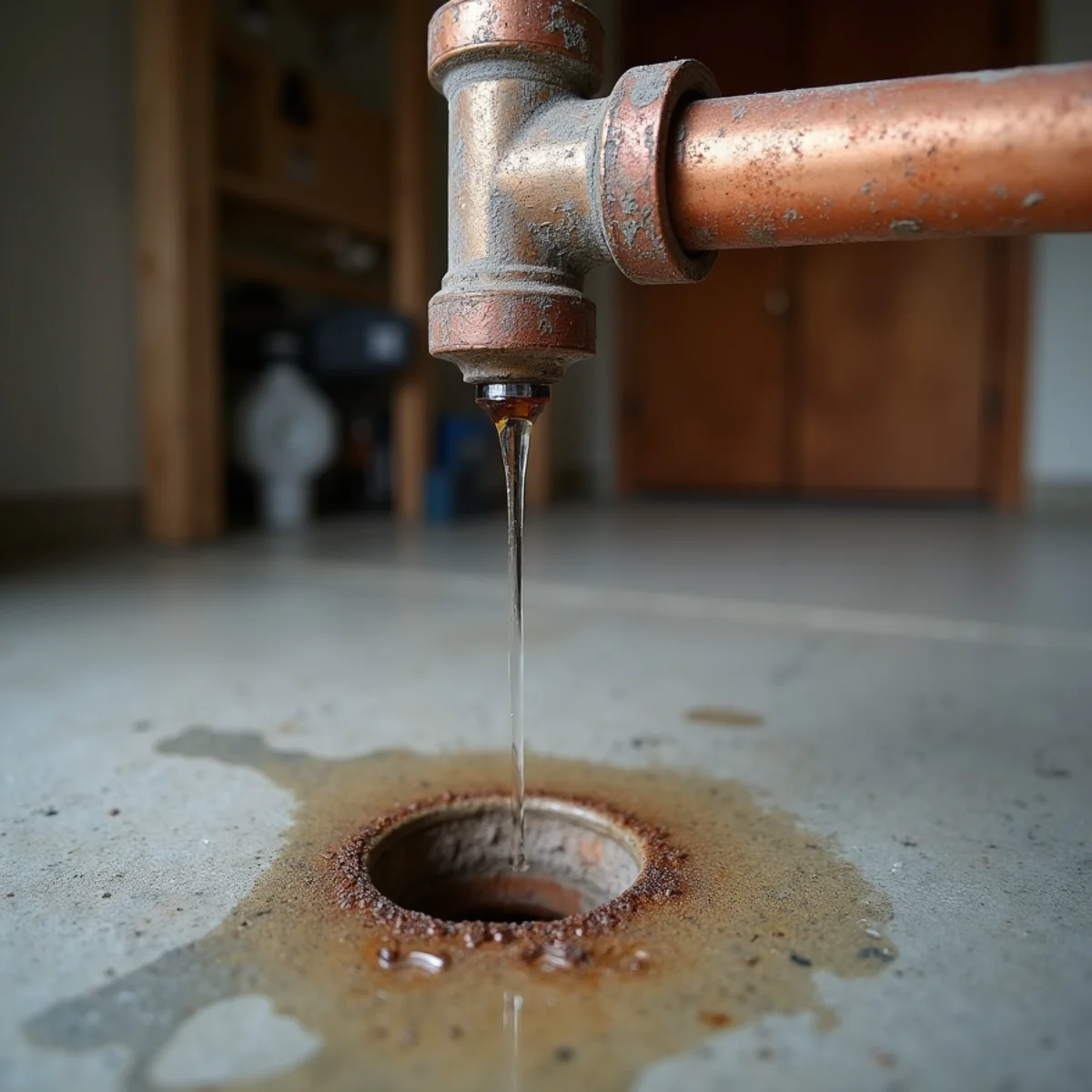
The frustrating part is that a leak large enough to move your bill noticeably is often still too small, or too well hidden, to show up as a visible wet spot. A pinhole leak in a copper line inside a wall can run continuously for weeks while showing nothing more than a faint discoloration or a slightly soft patch of flooring.
How the City of Roseville Can Help You Spot It
The City of Roseville provides residents with online access to their water usage, and continuous, unexplained flow between readings is exactly the pattern utilities flag when they reach out about a possible leak. If your account shows steady usage even during hours when nobody in the house is running water, that is worth investigating immediately rather than waiting for the next bill.
City messaging around leak awareness specifically calls out toilets and sprinkler systems as two of the most common culprits behind an unexplained spike, since both can leak silently and continuously without anyone noticing a puddle.
Why Hidden Leaks Are Common in South Roseville's Older Stock
Neighborhoods around the Westfield Galleria at Roseville and the Fountains at Roseville corridor include a meaningful share of 1980s and 1990s slab-on-grade tract construction, much of which is now hitting its first major repair cycle. Original copper supply lines, buried under or within the slab in many of these homes, are reaching the age where pinhole and pitting leaks become common.
Sacramento Valley's hard water accelerates that corrosion from the inside of the pipe, which is part of why a copper line that looked fine on installation can develop a pinhole leak decades later with no external warning sign. A slab leak in particular can run for a long time before it surfaces, since the water often has to saturate soil or find a crack before it shows up as a warm or damp spot on the floor.
How to Check Your Own Meter for a Leak
You do not need to wait for a city notice to check for yourself. A basic meter check takes about an hour and requires no special equipment.
- 1Make sure no water is running anywhere in or around the house — no dishwasher, washer, irrigation, or ice maker cycling
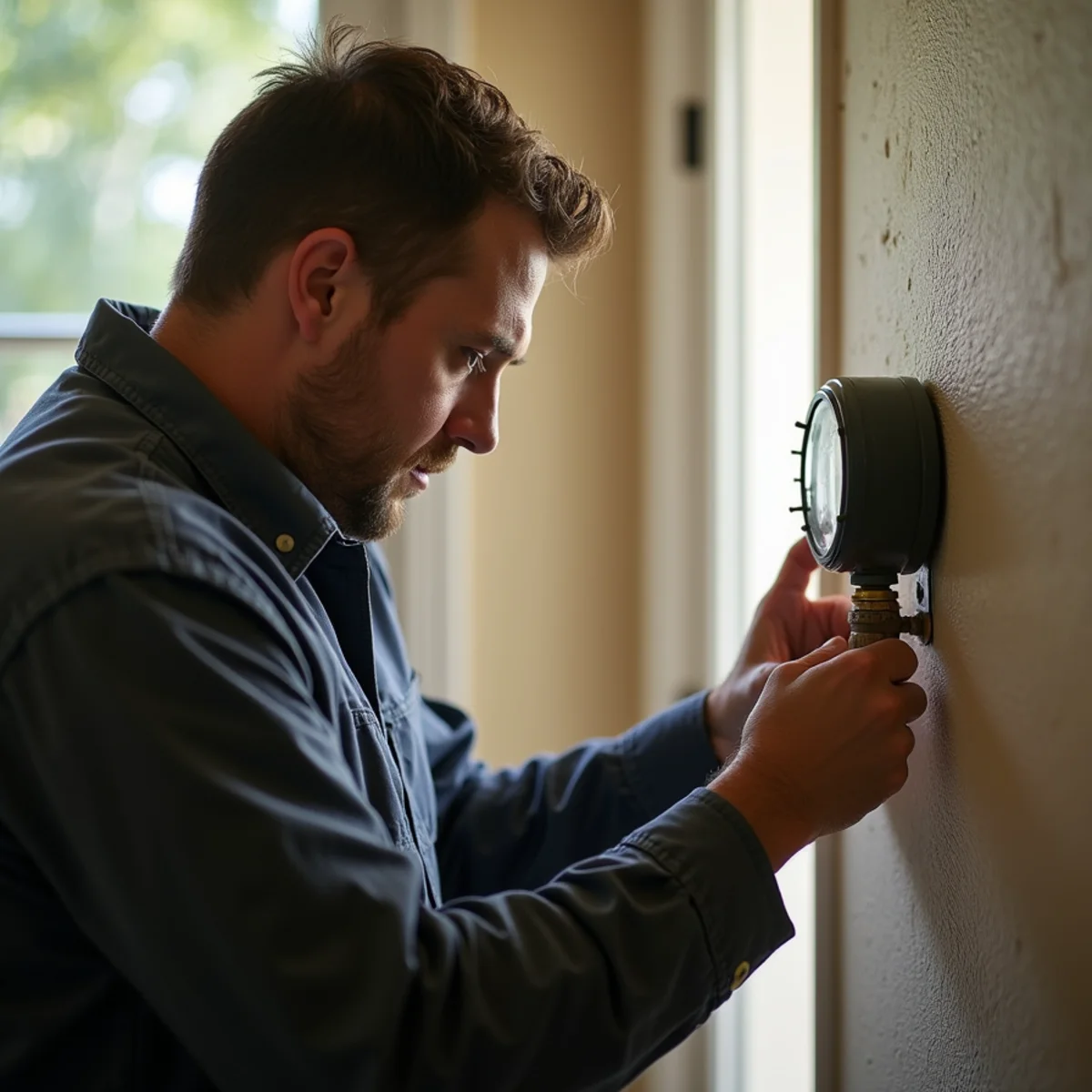
- 2Find your water meter and note the reading, along with the small leak indicator dial if your meter has one
- 3Wait one hour without using any water
- 4Check the reading again — if it moved, or the leak indicator spun, water is flowing somewhere in your system
Where These Leaks Usually Hide
Once a meter check confirms continuous flow, the search narrows to a handful of usual suspects.
- A running or slowly leaking toilet flapper, one of the most common causes citywide
- An irrigation valve stuck partially open underground
- A slab leak under a kitchen, hallway, or bathroom
- A water heater fitting or relief valve leaking into a drain nobody checks
- A supply line behind a dishwasher or refrigerator
A South Roseville Job That Started With a Doubled Water Bill
A homeowner near the Galleria corridor called us after two consecutive water bills came in well above normal, with no visible water anywhere in the house. We ran moisture meters across the kitchen and hallway flooring and found an elevated reading under a run of laminate near the kitchen island, with no matching surface damage yet visible.
We located a slab leak beneath the kitchen using non-invasive detection equipment, extracted the small amount of standing moisture trapped under the flooring, and set air movers and a dehumidifier to dry the slab and subfloor over four days. We coordinated the repair directly with the homeowner's plumber and documented the whole process for their insurance adjuster, since slab leak damage is often a covered loss even though the pipe repair itself typically is not.
What Happens If You Ignore It
A leak that is only costing you a few extra dollars a month on your water bill can still be doing real structural damage out of sight. Mold can begin colonizing wet material within 24 to 48 hours, and the longer a slab or wall leak runs, the more flooring, drywall, and subfloor eventually needs to come out.
What starts as a repair that might cost a few hundred dollars in plumbing work can turn into a multi-thousand-dollar restoration job, generally somewhere in the $1,400 to $6,400 range depending on scope, once enough material has absorbed water and needs to be removed and dried or replaced.
When to Call a Leak Detection Specialist
If your meter check confirms flow but you cannot find the source, or you suspect a slab leak based on a warm spot on the floor or a bill spike with no other explanation, call a specialist rather than guessing with a jackhammer. Non-invasive leak detection finds the exact location before anyone opens a wall or a slab.
We are IICRC-certified, work to the S500 water-damage standard, and are CSLB-licensed and insured. We locate the leak, extract and dry any water damage already done, and bill your insurer directly for the covered portion of the loss.
What Our Crews Watch For When We Trace a Leak
The mistake we correct most often on a slab leak call is a homeowner, or sometimes an earlier contractor, assuming the warm or damp spot on the floor sits directly above the leak. Water under a slab follows the path of least resistance — a gap in the fill dirt, a utility trench backfilled less densely than the surrounding soil, a crack already present in the concrete — and that path can carry water several feet sideways before it ever reaches the surface. We have found leaks four and five feet from where the homeowner was certain the problem lived.
That is the whole argument for non-invasive detection equipment over guesswork. Opening a slab in the wrong spot means a second hole, a second patch, and days of extra disruption on top of the actual repair, and concrete cutting is not cheap to redo. Acoustic listening equipment and thermal imaging cost more upfront than a homeowner or handyman swinging a jackhammer at the warm spot, but they routinely save the cost of a second cut by finding the actual source the first time.
Reading Your Water Bill Like a Leak Detector
Comparing this month's bill to last month's is a common way to get fooled, especially heading into or out of irrigation season, when a jump of ten or twenty dollars is completely normal and has nothing to do with a leak. The more reliable comparison is the same billing period a year earlier, since it accounts for the seasonal swing that irrigation naturally causes across a Roseville summer.
Because Roseville's residential water rates step up through usage tiers, a hidden leak does not just add a proportional amount to your bill — it can push your entire household into a higher tier and make every gallon you use, leak or not, cost more for that billing cycle. That tiered structure is part of why a leak that seems minor on paper, like a running toilet flapper, can show up as a much larger jump in dollars than the wasted gallons alone would suggest.
- 1Compare this bill to the same period last year, not last month, to account for normal irrigation swings
- 2Note whether your usage crossed into a new billing tier, since that alone can explain a larger dollar jump than expected
- 3Track two or three consecutive billing cycles rather than reacting to one unusual month
- 4Cross-check any spike against the city's online usage portal for a day-by-day pattern, not just the monthly total
Frequently asked questions
Yes. Many of the most damaging leaks, especially slab leaks and leaks inside walls, produce no visible water for weeks. A meter check with all fixtures off is the fastest way to confirm whether water is flowing somewhere in your system.
The city's online usage portal lets you review your water usage, and continuous flow during hours when nobody is using water is a strong sign of a leak. Toilets and sprinklers are two of the most common culprits the city flags.
Even a small continuous leak, like a running toilet flapper, can waste hundreds of gallons a month. A slab leak or a pinhole in a pressurized supply line can waste far more, and it runs whether or not anyone is home to notice.
Both. We use non-invasive leak detection equipment to locate the source, extract and dry any damage already done, and coordinate repair with your plumber and your insurance adjuster.